Tiruchirappalli

2026

Politics

Udhayanidhi Stalin criticises TVK government in Trichy

On 23 August 2026, Tamil Nadu Leader of Opposition and DMK leader Udhayanidhi Stalin sharply criticised the ruling Tamilaga Vettri Kazhagam (TVK) government during his visit to the Tiruchirappalli region. His remarks were part of a wider political confrontation between the DMK and the TVK government led by Chief Minister C. Joseph Vijay. Recent reports say Udhayanidhi accused the administration of administrative failures, failure to fulfil election promises, and inadequate attention to farmers’ problems, particularly issues affecting the Cauvery delta. Main points of his criticism Udhayanidhi questioned the functioning of the new TVK administration and argued that the government should concentrate more on governance and public welfare rather than political publicity. In his criticism of the government’s Assembly performance, he questioned whether the administration was functioning as a serious government and alleged that some ministers were more interested in Instagram reels and publicity than legislative responsibilities. He also raised concerns about Cauvery water availability and the condition of delta farmers. According to his allegations, the non-release of sufficient Mettur water had contributed to drought-like conditions affecting farmers in the Cauvery delta. He argued that the government needed to take stronger measures to protect agricultural interests. Election promises Another major criticism concerned promises made by the TVK during the election. Udhayanidhi alleged that the government had not fulfilled important commitments, including: These allegations were presented by Udhayanidhi as evidence of what he described as administrative shortcomings in the new government. Cauvery water issue The Cauvery water dispute has become one of the most important points of confrontation between the DMK opposition and the TVK government. Udhayanidhi has repeatedly accused the government of not doing enough to protect Tamil Nadu’s interests in relation to water releases from Karnataka and the proposed Mekedatu project. The dispute is particularly important for the Cauvery delta because agriculture in the region depends heavily on timely water availability. Political confrontation with the TVK The criticism in Trichy comes amid an increasingly intense political contest between the DMK and TVK. Udhayanidhi has previously accused the TVK administration of using police and legal action against political opponents. Following his recent arrest in connection with remarks made during a farmers’ protest, he alleged that the government was attempting to divert attention from major public issues. The TVK, however, has strongly rejected his allegations and criticised some of his remarks. Significance for Tiruchirappalli The developments are particularly significant for Tiruchirappalli and the surrounding Cauvery-region districts, where agriculture, irrigation and water management are major public issues. Political statements concerning Cauvery water, farmers’ welfare and government performance are likely to receive considerable attention in the region.

Agriculture

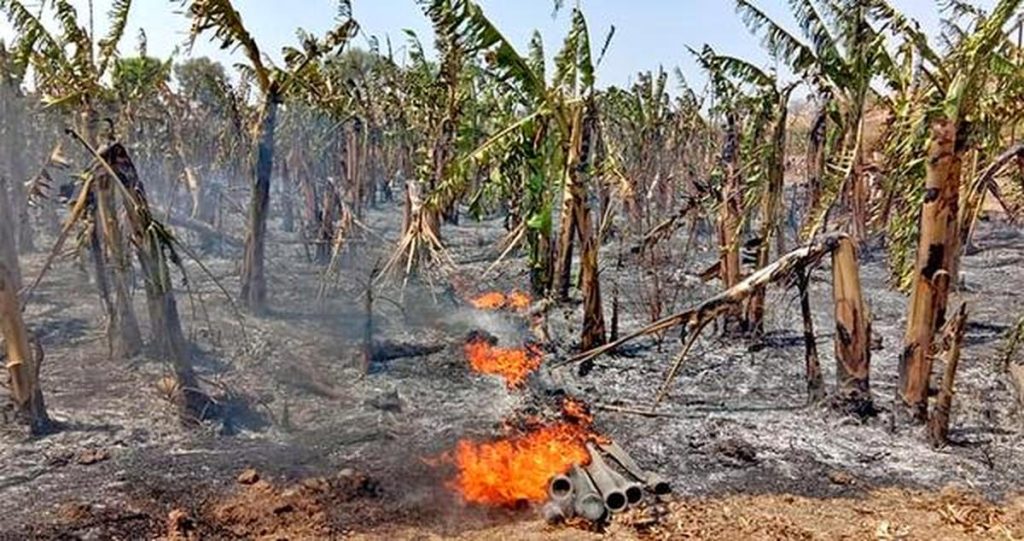
Banana plantation damaged in farm fire

1. The Farm-Fire Incident A fire broke out at a banana plantation near Tiruchirappalli, destroying or damaging around 2,000 banana trees. The incident resulted in substantial agricultural damage because banana plants require considerable investment and several months of cultivation before producing a harvest. The incident attracted attention because of the scale of the crop damage and the potential financial loss to the affected farming household. 2. Extent of the Damage Approximately 2,000 banana trees were reported to have been damaged in the fire. Damage to a banana plantation can involve more than the immediate loss of standing plants. Depending on the intensity and spread of the fire, farmers may also lose: The exact financial value of the loss depends on the age and variety of the plants and the stage of fruit development. 3. Why the Loss is Significant Banana is an important commercial crop in Tiruchirappalli District. Research on banana cultivation in the district has identified Lalgudi, Anthanallur and Thottiyam among the major banana-growing areas. The district also hosts the ICAR-National Research Centre for Banana (ICAR-NRCB) at Thayanur, demonstrating the importance of banana cultivation and research in the region. Therefore, a large plantation fire represents a significant loss of agricultural investment. 4. Investment Made by Farmers Banana cultivation requires expenditure throughout the production cycle. Farmers typically invest in: When a fire destroys plants before harvest, much of this investment may be lost. 5. Loss of Expected Income Banana farmers normally depend on the harvested bunches for their income. A fire that destroys mature plants can result in the loss of the expected harvest. If the affected plants were close to harvest, the farmer may lose not only the plants but also the income that would have been generated from selling the bunches. The economic effect can therefore be represented as: Farm fire → Banana plants damaged → Harvest lost → Revenue reduced → Financial loss 6. Impact on Agricultural Labour Banana plantations require labour for several activities throughout the crop cycle. A damaged plantation can reduce the need for labour related to: This means that a major crop loss can indirectly affect agricultural workers who depend on plantation activities for employment. 7. Possible Causes of Farm Fires The specific cause of the reported fire should be determined by the relevant authorities. It would be inappropriate to assume a cause without an official finding. In general, agricultural fires can sometimes be associated with: Determining the actual cause is important for preventing similar incidents in the future. 8. Importance of Fire Prevention The incident highlights the need for farmers to take precautions around plantations. Useful preventive measures can include: Prevention can substantially reduce the risk of a small fire spreading across a plantation. 9. Irrigation Infrastructure and Fire Risk Banana plantations often use irrigation systems such as drip irrigation. Farmers should regularly inspect: Proper maintenance can reduce electrical hazards and also ensure that water is available for emergency use where feasible. 10. Importance of Early Fire Detection Early detection can prevent a small agricultural fire from becoming a large-scale plantation fire. Farm workers and nearby residents should respond quickly if smoke or flames are detected. Early intervention can help: Detect fire → Alert emergency services → Isolate electricity if safe → Prevent spread → Protect neighbouring farms People should not take unnecessary personal risks while attempting to fight a fire. 11. Economic Importance of Banana in Tiruchirappalli Banana cultivation has considerable economic importance in the district. A study focusing on Tiruchirappalli’s banana economy found that the district has historically been a major banana-growing region, with commercial varieties including Poovan, Karpooravalli, Rasthali and Nendran. Another study covering banana farms in the district examined varieties such as Yelakki, Nendran, Poovan and Rasthali, highlighting the commercial significance of banana cultivation in areas such as Anthanallur, Lalgudi and Thottiyam. 12. Impact on Local Agricultural Markets A major plantation loss can also affect the local agricultural supply chain. Banana production supports: Although a single farm fire may not significantly alter district-wide supply, repeated crop losses can create greater pressure on local production. 13. Importance of Crop Insurance The incident also demonstrates why farmers should consider appropriate crop-insurance coverage, wherever the crop and risk are covered under the applicable scheme. Insurance does not prevent a fire, but eligible coverage can potentially provide financial compensation for covered losses according to the applicable policy and assessment procedures. Farmers should check: 14. Government Assistance After Crop Damage When a major agricultural loss occurs, affected farmers can approach the relevant Agriculture, Horticulture and Revenue authorities for information regarding applicable relief measures. Officials may assess: Any compensation or relief depends on applicable government rules, schemes and official assessment. 15. Role of the Horticulture Department The Horticulture Department can assist affected farmers with technical guidance concerning: Prompt rehabilitation is important because farmers need to restart cultivation as quickly as economically possible. 16. Replanting the Damaged Area If plants are completely destroyed, farmers may need to clear the affected area and prepare it for replanting. The rehabilitation process may involve: The timing of replanting should be decided according to local agricultural recommendations. 17. Role of ICAR-National Research Centre for Banana Tiruchirappalli is home to the ICAR-National Research Centre for Banana, which works on banana genetic resources, crop improvement, production technologies and farmer-oriented technologies. The institute has also highlighted technologies related to water-efficient production, climate resilience and improved banana cultivation. For example, ICAR has reported the development of the drought- and salt-tolerant banana variety Kaveri Saba. Such research and extension support can contribute to improving the resilience of banana farming. 18. Need for Disaster Preparedness The incident highlights the importance of preparedness at the farm level. Farmers can consider developing simple emergency plans covering: Neighbouring farms can also cooperate in quickly alerting one another when smoke or fire is detected. 19. Environmental Impact A plantation fire can also affect the surrounding environment. Burning agricultural vegetation can produce: If fire spreads beyond the plantation, it can potentially damage neighbouring agricultural fields, trees and other vegetation.

Agriculture

Around 1.2 lakh farmers register for Kuruvai crop insurance

Around 1.2 lakh farmers across Tamil Nadu’s Cauvery delta and central districts registered for crop insurance for the 2026 Kuruvai season under the Pradhan Mantri Fasal Bima Yojana (PMFBY). The registrations covered approximately 3.3 lakh acres, including farmers from Tiruchirappalli, Thanjavur, Tiruvarur, Nagapattinam, Mayiladuthurai, Cuddalore, Ariyalur and Pudukkottai. The figures were reported at the end of July 2026. The development is particularly significant because farmers are facing uncertainty over Cauvery water availability, weather conditions and crop yields during the short-duration Kuruvai cultivation season. 1. What is Kuruvai Cultivation? Kuruvai is a short-duration paddy crop traditionally cultivated in the Cauvery delta region. The crop generally occupies the fields during the June–August sowing period, with cultivation depending heavily on timely irrigation and suitable weather conditions. Because Kuruvai has a relatively short cultivation cycle, delays in planting or irrigation can have a significant effect on production. For Tiruchirappallidistrict farmers, Kuruvai cultivation is an important source of agricultural income and rural employment. 2. Significance of the 1.2 Lakh Registrations The registration of approximately 1.2 lakh farmers demonstrates substantial awareness of the importance of agricultural risk protection. The insurance applications covered around 3.3 lakh acres across the participating delta and central districts. Insurance registration is especially important when farmers are exposed to several uncertainties simultaneously, including: 3. Tiruchirappalli’s Role Tiruchirappalli is among the districts covered by the Kuruvai crop-insurance programme. The district administration itself issued an official notice concerning PMFBY Kuruvai Season 2026 crop-insurance enrolment in July 2026. This shows the importance given by the district administration to ensuring that farmers are aware of the insurance programme and complete their enrolment within the specified period. 4. Why Crop Insurance is Important This Season The 2026 Kuruvai season has been accompanied by concerns over irrigation-water availability. According to the reported figures, nearly one lakh acres of Kuruvai cultivation in the wider region had been affected by the non-release of Cauvery water, while around 4.3 lakh acres of Kuruvai paddy were being cultivated using groundwater resources. This makes crop insurance an important financial safety mechanism for farmers who have invested money in cultivation. 5. Protection Against Crop Loss The principal purpose of PMFBY is to provide financial protection when insured crops suffer eligible losses. For Kuruvai farmers, insurance can help reduce the financial impact of events such as: Water-related stress → Crop damage → Lower yield → Reduced income With insurance coverage, eligible farmers may receive compensation according to the applicable scheme provisions and officially assessed crop losses. 6. Premium Paid by Farmers Under PMFBY, farmers cultivating food crops such as paddy generally pay a nominal premium of 2% of the sum insured, with the remaining eligible premium subsidy shared by the Central and State governments. This relatively limited farmer contribution is intended to make crop insurance accessible to a large number of cultivators. 7. Assessment of Crop Loss Crop insurance compensation is not simply based on a farmer’s estimate of loss. Under the scheme, yield losses are assessed using prescribed procedures, including crop-cutting experiments and technology-enabled assessment methods, depending on the applicable provisions. This provides a structured basis for determining compensation for eligible insured farmers. 8. Water Shortage and Insurance Water availability has become an important concern for Kuruvai farmers in the Cauvery region. When adequate Cauvery water is unavailable, farmers may increasingly depend on groundwater. However, groundwater availability differs from location to location. Water shortage can affect: Insurance therefore provides an additional layer of financial protection against agricultural uncertainty. 9. Kuruvai Cultivation Using Groundwater Groundwater has become an important source of irrigation for Kuruvai cultivation in parts of the Cauvery region. Previous agricultural data from Tiruchirappalli showed that farmers with access to suitable groundwater had already begun Kuruvai cultivation before the regular Cauvery-water release period. In 2025, officials estimated that around 60% of the approximately 6,000 hectares targeted for Kuruvai cultivation in Tiruchirappalli District would depend on groundwater. This illustrates how important groundwater can become when surface-water availability is uncertain. 10. Risks Faced by Kuruvai Farmers Kuruvai farmers face multiple agricultural risks during the season. Water risk Insufficient irrigation can reduce plant growth and yield. Weather risk Delayed or irregular rainfall can affect crop establishment. Pest risk Pest attacks can reduce plant health and production. Disease risk Crop diseases can cause losses if not controlled promptly. Market risk Changes in paddy prices can influence farm profitability. Crop insurance primarily addresses specified insured agricultural risks and therefore should be viewed as one part of broader farm-risk management. 11. District-Wise Participation Among the districts covered in the reported registration figures, Tiruvarur recorded the highest participation, with more than 43,000 farmers registering coverage for around 1.5 lakh acres. Mayiladuthurai followed with more than 27,000 farmers covering over 71,000 acres, while Nagapattinam recorded more than 25,000 farmers covering over 68,000 acres. These figures demonstrate the significant scale of crop-insurance participation across the Cauvery agricultural region. 12. Awareness Campaigns Agriculture officials conducted awareness activities to encourage farmers to register. These included: Officials said these campaigns contributed to increased awareness of formal agricultural risk protection. 13. Importance of Farmer Awareness Insurance is useful only when farmers understand: Therefore, continued awareness programmes are important, especially among small and marginal farmers. 14. Registration Channels Tamil Nadu has encouraged farmers to enrol through authorised channels such as: The state government had set July 31, 2026 as the general Kuruvai paddy insurance deadline in the notified districts other than certain districts with earlier deadlines. The Tiruchirappalli district administration also published its Kuruvai 2026 PMFBY enrolment notice in July. 15. Importance for Small and Marginal Farmers Crop losses can be particularly difficult for small and marginal farmers because they often have limited financial reserves. A crop failure can affect their ability to: Insurance can therefore provide an important financial buffer when eligible crop losses occur. 16. Relationship Between Insurance and Cauvery Water The crop-insurance registrations occurred against the backdrop of continuing concerns over Cauvery water availability. Farmers’ organisations have raised concerns that insufficient Cauvery-water releases have affected Kuruvai cultivation in the delta region. The reported


Agriculture

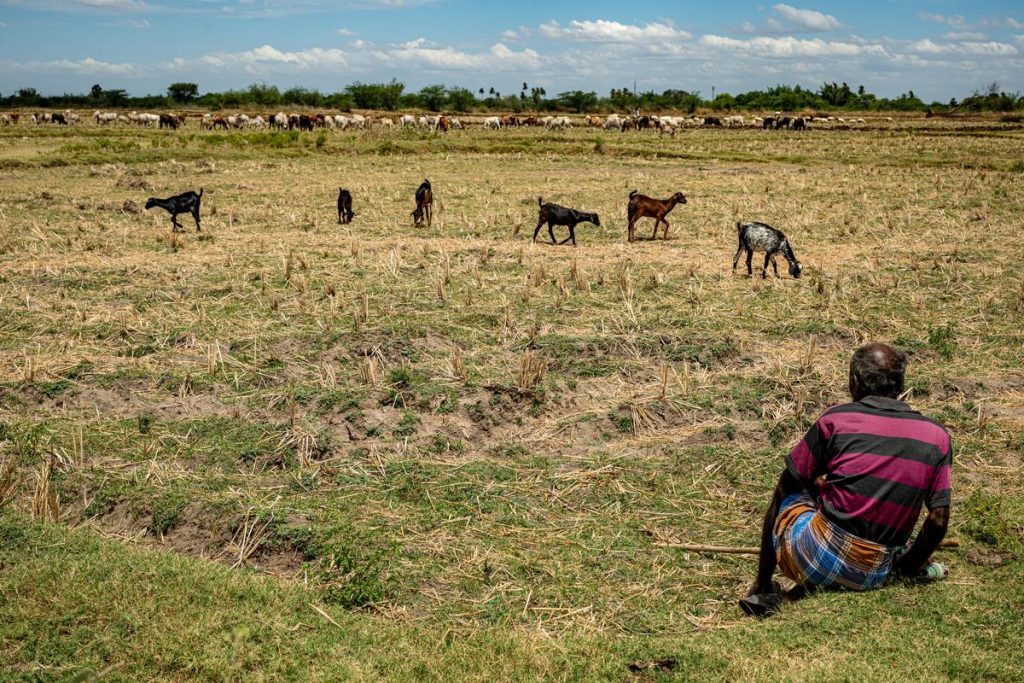
Kuruvai paddy cultivation faces water shortage

1. Importance of Kuruvai Cultivation Kuruvai is a short-duration paddy crop traditionally cultivated in the Cauvery delta and other irrigated areas of Tamil Nadu. Its cultivation depends heavily on the availability of irrigation water during the appropriate agricultural season. For farmers in Tiruchirappalli, Kuruvai cultivation provides: A shortage of irrigation water can therefore affect the entire rural agricultural economy. 2. Water Shortage as a Major Concern The major concern for Kuruvai farmers is the availability of adequate and timely irrigation water. Paddy requires substantial water during its growing period. If water releases are delayed, farmers may be unable to prepare their fields and transplant seedlings at the appropriate time. The situation can result in: Insufficient Cauvery water → Delayed cultivation → Reduced cultivated area → Lower production → Reduced farm income 3. Dependence on the Cauvery The Cauvery river and its irrigation network are central to agriculture in Tiruchirappalli and the wider delta region. Farmers depend on water reaching agricultural fields through: Cauvery → Irrigation structures → Canals → Field channels → Paddy fields When river flows or reservoir releases are inadequate, the amount of water reaching agricultural fields can become insufficient. This makes Kuruvai cultivation particularly vulnerable to water shortages. 4. Impact on Land Preparation Before planting Kuruvai, farmers need sufficient water for preparing their fields. Paddy cultivation generally involves operations such as: Without sufficient water, these activities can be delayed. A delayed start can affect the crop’s growth cycle and ultimately its yield. 5. Delayed Transplanting Timely transplantation is particularly important for short-duration crops. When irrigation water is unavailable, farmers may have to postpone transplantation. This can create several problems: 6. Reduction in Cultivated Area When farmers are uncertain about water availability, some may decide not to cultivate their entire landholding. Instead, they may: A reduction in cultivated area can significantly affect overall paddy production in the district. 7. Effect on Paddy Yield Water stress during critical stages can reduce paddy productivity. Insufficient irrigation can affect: If water shortages continue, farmers may harvest less paddy than expected. 8. Financial Impact on Farmers Kuruvai cultivation involves expenditure on: If farmers invest in cultivation but subsequently face water shortages, they may not recover their costs. This can increase financial pressure and agricultural debt. 9. Impact on Agricultural Labourers Paddy cultivation provides employment for large numbers of agricultural workers. Labour is required for: If less land is cultivated because of water shortages, employment opportunities for agricultural labourers can also decrease. 10. Increased Dependence on Groundwater Some farmers may attempt to compensate for inadequate Cauvery water by using groundwater. Borewells and open wells can provide supplementary irrigation, but their availability varies considerably from one location to another. Excessive groundwater extraction can lead to: Therefore, groundwater should be managed carefully. 11. Rising Cultivation Costs Water scarcity can increase the cost of farming. Farmers may need to spend additional money on: When input costs rise while crop yields fall, farmers’ profit margins can become very small. 12. Importance of Mettur Reservoir The Mettur Reservoir plays a crucial role in Tamil Nadu’s Cauvery irrigation system. Water releases from Mettur are closely watched by farmers in the Cauvery delta because they influence the availability of irrigation water downstream. For Kuruvai farmers, timely releases are important because the crop has a relatively short growing period. Any delay can have a greater impact than it might have on a longer-duration crop. 13. Irrigation Channel Maintenance Even when water is released into the river system, effective distribution requires properly maintained canals and field channels. Farmers benefit from: Poor maintenance can reduce the amount of water actually reaching agricultural fields. 14. Need for Efficient Water Use During water shortages, farmers can benefit from techniques that improve water-use efficiency. Potential approaches include: Agricultural extension officials can provide guidance on the suitability of these practices for local conditions. 15. Crop Diversification When water availability is uncertain, crop diversification can help reduce agricultural risk. Depending on local conditions, farmers may consider crops that require comparatively less irrigation. However, crop selection should be based on: Farmers should not shift crops without considering their specific field conditions. 16. Government Support Government departments can play an important role in helping farmers manage water shortages. Possible measures include: The availability and eligibility of financial assistance depend on government notifications and official crop-loss assessments. 17. Farmer Protests and Water Demands Water availability has also become an important subject of farmer protests in Tiruchirappalli and the wider Cauvery delta. Farmers’ organisations have repeatedly demanded adequate Cauvery water for cultivation and have raised concerns about the effect of insufficient releases on Kuruvai and other paddy crops. Such protests highlight the importance of timely water management for the agricultural community. 18. Environmental Concerns Water scarcity also affects the broader river ecosystem. Reduced water flows can influence: Sustainable management of the Cauvery is therefore important not only for farmers but also for the environment. 19. Impact on the Rice-Milling Sector Tiruchirappalli and the surrounding Cauvery region have an extensive agricultural and rice-related economy. A reduction in paddy production can affect: Thus, inadequate water for Kuruvai cultivation can have consequences beyond the farm itself. 20. Long-Term Water Management The recurring water shortage highlights the need for long-term planning. Important measures include: Efficient irrigation Reduce unnecessary water losses. Canal restoration Maintain channels so available water reaches fields efficiently. Groundwater recharge Increase natural groundwater replenishment. Rainwater harvesting Capture seasonal rainfall for future use. Water-efficient cultivation Encourage appropriate farming techniques that reduce water consumption. Crop planning Match crop selection and cultivated area with expected water availability. 21. Importance for Tiruchirappalli District Kuruvai cultivation is closely connected to the economic well-being of many agricultural communities. A successful crop season can provide: Farm income + Rural employment + Paddy production + Market activity + Rice-mill activity Conversely, severe water shortages can produce the opposite effect: Water shortage + Reduced cultivation + Lower yield + Financial losses + Rural economic pressure Therefore, ensuring reliable irrigation is an important part of the district’s agricultural development. 22. Future Prospects The

Agriculture

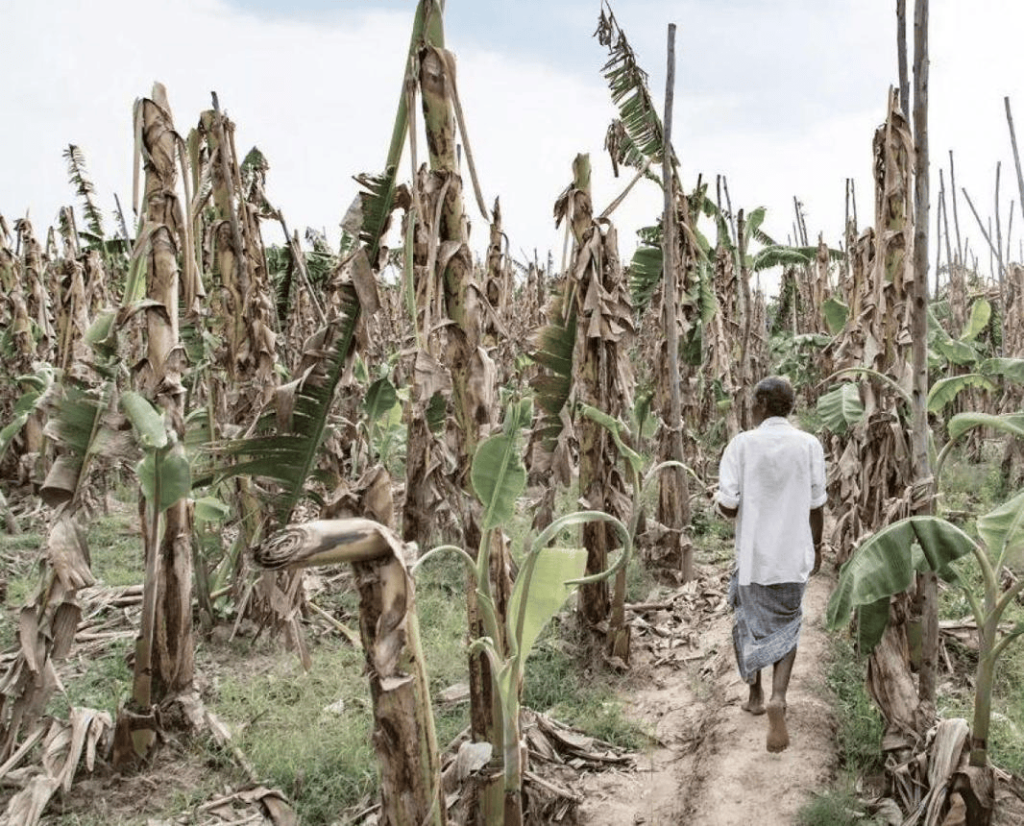
Banana crops badly affected by water shortage

Banana cultivation is an important part of agriculture in Tiruchirappalli District, particularly in areas benefiting from the Cauvery irrigation system. Water shortages can seriously affect banana farmers because the crop requires regular moisture for healthy vegetative growth, flowering and fruit development. When irrigation supplies become inadequate, farmers can face reduced yields, declining fruit quality and significant financial losses. 1. Importance of Banana Cultivation Banana is a commercially important horticultural crop cultivated by farmers in several parts of Tiruchirappalli District. The crop provides income not only to farmers but also to a wider network of agricultural workers and businesses. The banana supply chain includes: Therefore, damage to banana crops can have consequences throughout the local rural economy. 2. Water Shortage as a Major Challenge Banana plants require a relatively continuous supply of water. Unlike crops that can tolerate short periods of dry conditions, prolonged moisture stress can seriously affect banana growth. When irrigation becomes insufficient, farmers may observe: If water scarcity continues for an extended period, the economic impact can become severe. 3. Dependence on the Cauvery Irrigation System The Cauvery river is a major source of irrigation for agricultural areas in and around Tiruchirappalli. Farmers depend on a combination of: River water → Irrigation channels → Field channels → Agricultural land When water releases are inadequate or irrigation channels do not receive sufficient flow, farmers may have difficulty providing their crops with the required amount of water. This is particularly concerning for perennial and longer-duration crops such as banana. 4. Effect on Different Stages of Banana Growth Water stress can affect banana plants at different stages. Vegetative stage Insufficient water can reduce leaf growth and overall plant development. Flowering stage Water stress can interfere with healthy flowering and bunch formation. Fruit-development stage Inadequate moisture can reduce fruit size and bunch weight. Pre-harvest stage Continued water stress can reduce overall crop quality and market value. Thus, irrigation is important throughout the crop cycle. 5. Reduction in Crop Yield One of the most serious consequences of water shortage is reduced productivity. A healthy banana plantation can produce good-sized bunches when plants receive appropriate water and nutrients. Under severe water stress, however, bunch development may be poor. Farmers can therefore experience: Less water → Poor plant growth → Smaller bunches → Lower production → Reduced income For farmers who have invested heavily in the crop, even a moderate reduction in production can create financial difficulties. 6. Effect on Banana Quality Water shortage can also affect the quality of harvested bananas. Poor water availability can contribute to: Traders and wholesalers generally evaluate fruit based on size, appearance, quality and quantity. Lower-quality produce can result in reduced returns to farmers. 7. Increasing Irrigation Costs When canal water is inadequate, farmers may turn to alternative water sources. These can include: Using these sources can increase the cost of cultivation. Farmers may have to spend additional money on: This places additional financial pressure on farming households. 8. Groundwater Pressure Greater dependence on groundwater during water shortages can create another long-term problem. Continuous pumping can lower groundwater levels, particularly when natural recharge is insufficient. This can result in: Sustainable groundwater management is therefore essential. 9. Impact on Farmers’ Income Banana cultivation involves significant investment before farmers receive income from the crop. Expenses may include: If water shortage reduces production, farmers may struggle to recover these expenses. This can lead to: Crop loss → Reduced revenue → Difficulty repaying loans → Reduced ability to invest in the next crop 10. Effect on Agricultural Labourers Banana cultivation provides employment to agricultural workers for activities such as: If farmers reduce the area under banana cultivation because of water scarcity, employment opportunities for agricultural labourers can also decline. Thus, the problem can affect the wider rural community. 11. Importance of Irrigation Channel Maintenance Efficient irrigation depends not only on the amount of water released but also on the condition of the irrigation network. Canals and field channels require regular: Poorly maintained channels can result in water losses and uneven distribution. Improving irrigation efficiency can help farmers make better use of limited water resources. 12. Drip Irrigation as a Possible Solution Drip irrigation can help banana farmers use water more efficiently. Instead of flooding the entire field, drip systems deliver water close to the plant’s root zone. Potential benefits include: The suitability and economics of drip irrigation should be assessed according to the farm’s soil, water source, plantation size and local conditions. 13. Mulching and Soil-Moisture Conservation Farmers can also use mulching to reduce moisture loss from the soil. Organic materials or suitable agricultural mulch can help: Combined with efficient irrigation, these techniques can help banana plants cope better with periods of limited water availability. 14. Role of Government Agencies Government agricultural and horticulture departments can provide important assistance during water shortages. Possible support measures include: The actual assistance available depends on the applicable government schemes and official assessment of crop damage. 15. Crop Insurance and Financial Support Farmers affected by crop losses may be able to access assistance through applicable agricultural insurance or government relief programmes. However, eligibility depends on factors such as: Farmers should therefore obtain information from the relevant agriculture or horticulture authorities regarding current schemes. 16. Need for Better Water Planning The situation demonstrates the importance of water planning before the beginning of the cultivation season. Water availability should be assessed before farmers decide how much land to cultivate under water-intensive crops. A coordinated approach can involve: Reservoir management + River-water allocation + Canal maintenance + Groundwater monitoring + Efficient farm irrigation Such planning can reduce the risk of severe crop losses. 17. Rainwater Harvesting and Groundwater Recharge Long-term water security can be improved through rainwater harvesting and groundwater recharge. Measures such as: can help increase water availability during dry periods. These measures are particularly useful when combined with efficient irrigation practices. 18. Climate Variability Changes in rainfall patterns can make agricultural planning more difficult. Periods of insufficient rainfall may increase dependence on irrigation, while irregular rainfall may

Agriculture

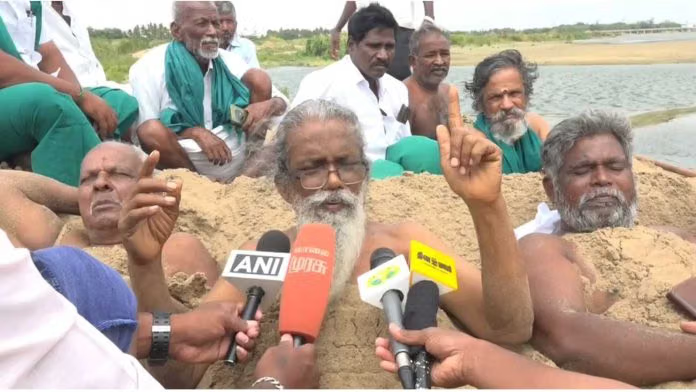
Farmers protest for release of Cauvery water

The Cauvery water issue has once again become a major agricultural concern in Tiruchirappalli District, with farmers demanding the release of adequate Cauvery water for irrigation. In early August 2026, farmers staged an unusual protest on the banks of the Cauvery in Tiruchirappalli, burying themselves in sand to symbolically highlight the severity of the water shortage and its potential impact on agriculture. 1. Background of the Protest The protest was led by farmers’ leader P. Ayyakkannu, who has frequently organised demonstrations concerning the Cauvery water dispute and farmers’ issues. The farmers said that repeated appeals for adequate Cauvery water had not produced the required results and expressed concern about the effect of insufficient irrigation water on the Kuruvai paddy crop. The demonstration took place along the Cauvery riverbank in Tiruchirappalli and attracted attention because of the farmers’ unusual method of protest. 2. Sand-Burial Protest On August 2, 2026, farmers partially buried themselves in the sand of the Cauvery riverbed. The symbolic action was intended to communicate that farmers were facing a severe agricultural crisis because of inadequate water availability. Reports said the protesters demanded the immediate release of Cauvery water from Karnataka for irrigation. The protest illustrated the seriousness with which farmers viewed the water shortage. 3. Demand for Cauvery Water The central demand of the farmers was that Tamil Nadu should receive its due share of Cauvery water so that agricultural activities can continue. Farmers depend heavily on timely water availability for crop cultivation. Delays can affect: The protesters therefore demanded immediate action to ensure adequate water reaches the agricultural areas of Tamil Nadu. 4. Concern Over the Kuruvai Crop A major concern expressed by farmers was the effect of insufficient water on the Kuruvai paddy cultivation season. Kuruvai is a short-duration paddy crop cultivated in the Cauvery delta. Its success depends substantially on timely availability of irrigation water. Farmers argued that inadequate water during the appropriate cultivation period could result in: The issue therefore affects the broader rural economy and not only individual farmers. 5. Tiruchirappalli’s Importance in the Cauvery System Tiruchirappalli occupies an important geographical position in the Cauvery river system. The Cauvery flows through the district and supports agriculture in several areas. The historic Kallanai (Grand Anicut), located downstream of Tiruchirappalli, is one of the major irrigation structures associated with the Cauvery delta. Consequently, water availability in the Cauvery system is closely connected with agricultural conditions in and around the district. 6. Opposition to the Mekedatu Project The protesting farmers also reiterated their opposition to the proposed Mekedatu dam project in Karnataka. Farmers in Tamil Nadu have expressed concern that the project could affect downstream water availability and potentially worsen difficulties faced by the Cauvery delta. During the Tiruchirappalli protest, farmers again demanded that the project should not be allowed to adversely affect Tamil Nadu’s water interests. 7. Demand for Government Intervention The farmers urged the Tamil Nadu government and the Union government to intervene in the dispute and ensure that Tamil Nadu receives the water to which it is entitled under the existing Cauvery water-sharing framework. The continuing dispute involves several institutions, including the Cauvery Water Management Authority (CWMA) and the courts. In July 2026, the CWMA upheld a direction for Karnataka to release 3,500 cusecs of Cauvery water per day for 15 days, after Karnataka sought to defer the release. 8. Supreme Court Intervention The Cauvery dispute also reached the Supreme Court during the same period. On August 17, 2026, the Supreme Court directed Karnataka to comply with directions issued by the Cauvery Water Management Authority concerning the release of Cauvery water to Tamil Nadu. This development added to the importance of the farmers’ demand for implementation of the established water-sharing arrangements. 9. Agricultural Impact Water shortage has consequences throughout the agricultural economy. If adequate irrigation water is unavailable, farmers may be unable to cultivate their planned acreage. This can lead to: Water shortage → Reduced cultivation → Lower production → Reduced farm income → Increased financial pressure A poor agricultural season can also affect agricultural labourers, traders, rice mills, transport operators and other businesses connected to farming. 10. Financial Problems for Farmers The water shortage has already been linked to financial difficulties among farmers in the Cauvery delta. In July 2026, farmers’ organisations in Tiruchirappalli and other delta districts protested over crop loans, saying that the failure of Kuruvai cultivation due to insufficient Cauvery water had caused heavy losses and increased debts. Farmers consequently sought relief through measures such as crop-loan waivers and access to fresh agricultural credit. 11. Earlier Protests in Tiruchirappalli The August demonstration was not an isolated protest. On July 21, 2026, farmers in Tiruchirappalli reportedly staged a protest in the Kollidam river, demanding Tamil Nadu’s due share of Cauvery water and opposing the Mekedatu project. Earlier, in February 2026, farmers in the district also protested demanding the release of water from Kallanai to irrigate agricultural lands, citing inadequate water availability for crops such as sugarcane and paddy. These repeated demonstrations indicate the continuing importance of water management to the district’s farming community. 12. Farmers’ Future Protest Plans The protests have also included warnings of further demonstrations if the water issue remains unresolved. At a farmers’ protest at Pullambadi in Tiruchirappalli, the Coordination Committee of All Farmers Associations demanded steps to ensure an adequate Mettur reservoir level for Samba irrigation. The organisation warned that farmers from the wider delta could stage a major protest on the Tiruchirappalli–Chennai National Highway if Karnataka did not release the required water. 13. Importance of Mettur Water Releases The Mettur reservoir is a critical part of Tamil Nadu’s Cauvery irrigation system. Water released from Mettur ultimately supports irrigation across large portions of the Cauvery delta. Farmers therefore closely monitor reservoir levels and the timing and quantity of releases. In January 2026, Trichy farmers had also requested that Cauvery water release from Mettur be extended beyond January 28 because some Samba and Thaladi crops had been planted late and had not yet fully matured. 14.

Sports

Tamil Nadu announces wider sports-development initiatives

Tamil Nadu has been expanding its sports-development strategy with a focus on grassroots participation, sports infrastructure, talent identification, professional coaching and opportunities for young athletes. Tiruchirappalli is an important part of this wider effort, with the district included in infrastructure and competitive-sports programmes designed to strengthen sporting opportunities in central Tamil Nadu. One of the notable recent developments is the state’s Chief Minister’s Mini Stadium programme, under which mini stadiums are being developed in selected Assembly constituencies, including Tiruchirappalli. The wider ₹69-crore project focuses on sports such as football, athletics, basketball, volleyball and kabaddi. 1. Strengthening Sports Infrastructure The expansion of sports infrastructure is one of the main components of Tamil Nadu’s sports-development strategy. The proposed and ongoing facilities are intended to provide young people with better access to proper sporting grounds and training environments. For Tiruchirappalli, this is significant because the district serves as an important educational and regional centre for central Tamil Nadu. Better infrastructure can support: The availability of suitable facilities can encourage more students and young people to participate regularly in sports. 2. Chief Minister’s Mini Stadium Initiative Tamil Nadu launched a project to establish Chief Minister’s Mini Stadiums in 23 Assembly constituencies, with a total estimated cost of ₹69 crore. Tiruchirappalli is among the districts included in this infrastructure expansion. The initiative is intended to bring sporting facilities closer to local communities rather than concentrating major infrastructure only in large cities. For Tiruchirappalli District, such facilities can provide young athletes with more accessible places to practise and compete. 3. Grassroots Sports Development A major objective of the wider initiative is to encourage sports participation from an early age. Grassroots development is important because elite athletes generally require many years of structured training. Identifying talent at school and community level can therefore create a pathway such as: School participation → Local competitions → District competitions → State competitions → National competitions → International competitions Tiruchirappalli’s schools and colleges can play an important role in this process. 4. Identifying Young Sporting Talent Sports-development programmes can help identify children and young people with exceptional physical and technical abilities. Talent identification can involve evaluating: Once promising athletes are identified, they can receive specialised coaching and opportunities to participate in higher-level competitions. 5. Opportunities for Students Students form one of the most important groups benefiting from sports-development programmes. Regular participation in sports can help students develop: For students in Tiruchirappalli, expanded sports facilities can provide opportunities to balance academic education with physical development. 6. Development of Team Sports The Mini Stadium initiative specifically focuses on sports including football, athletics, basketball, volleyball and kabaddi. These sports require different combinations of physical and mental skills. For example: Football develops endurance, coordination and tactical awareness. Basketball develops speed, agility, teamwork and decision-making. Volleyball develops coordination, communication and reaction speed. Kabaddi develops strength, agility, balance and tactical thinking. Athletics provides opportunities for individual performance in running, jumping and throwing events. 7. Importance of Kabaddi and Traditional Sports Kabaddi has a particularly strong cultural and sporting presence in Tamil Nadu. Supporting traditional and indigenous sports can help preserve sporting traditions while also providing young athletes with competitive opportunities. District-level competitions can provide a pathway for talented kabaddi players to progress to state and national competitions. 8. Development of Athletics Athletics is one of the fundamental components of a strong sports ecosystem. Training facilities for running, jumping and throwing events can help identify athletes with exceptional natural ability. Young athletes can gradually progress from school competitions to district-level and state-level championships. A well-developed athletics programme in Tiruchirappalli could therefore contribute to the development of athletes in events such as: 9. Supporting Women in Sports Wider sports infrastructure can also create more opportunities for girls and women. Accessible facilities and organised competitions can encourage female participation in: Increasing women’s participation is important for creating a broader and more inclusive sporting culture in Tiruchirappalli. 10. Supporting Rural and Local Communities Sports infrastructure located closer to local communities can be particularly valuable for young people from rural and semi-urban areas. Many talented athletes may not have access to expensive private academies or advanced training centres. Local facilities can reduce travel requirements and make participation more accessible. This can help ensure that sporting talent is identified irrespective of a student’s economic background or place of residence. 11. Role of Schools and Colleges Educational institutions are essential partners in sports development. Schools can identify talented children through physical education and competitions, while colleges can provide more advanced opportunities. Institutions can organise: The sports culture already present in Tiruchirappalli’s educational institutions can therefore complement government infrastructure initiatives. 12. Centres of Sporting Excellence Infrastructure development can be complemented by specialised coaching and athlete-development programmes. A Centre of Excellence can provide athletes with a more systematic training environment, including: This is important because simply constructing a sports ground is not sufficient to produce elite athletes. Facilities, coaching and athlete support must work together. 13. Building a Competitive Sports Culture Regular competitions are an important part of sports development. Competitions teach athletes how to: Increasing the number of local competitions can therefore improve the competitive experience of young athletes. 14. Employment and Sports Careers The expansion of the sports ecosystem can also create opportunities beyond becoming an athlete. The sector can generate demand for: Thus, sports development can contribute to employment and skill development in Tiruchirappalli. 15. Health and Fitness Benefits Greater access to sports facilities can encourage young people to maintain active lifestyles. Regular physical activity can contribute to: Sports programmes can therefore contribute to public health as well as competitive athletics. 16. Youth Development Sports are also an effective tool for youth development. Young people participating in organised sports learn the importance of: Discipline → Practice → Goal setting → Teamwork → Perseverance → Achievement These qualities can be valuable in education, employment and personal life. 17. Tiruchirappalli as a Regional Sports Hub Because of its central location and large educational population, Tiruchirappalli has the potential to develop into a stronger regional

Sports

Pegasus 2K26 sports meet conducted in Trichy

Pegasus 2K26 was a sports meet conducted in Tiruchirappalli (Trichy), bringing together students and young sports enthusiasts for a series of competitive sporting activities. The event provided participants with an opportunity to demonstrate their athletic abilities while promoting fitness, teamwork, discipline, leadership and sportsmanship. 1. Overview of Pegasus 2K26 Pegasus 2K26 was organised as a sporting celebration aimed at encouraging active participation in physical activities. The event created a competitive but friendly environment where participants could compete against one another, develop their skills and enjoy the spirit of sports. The name “Pegasus” represents energy, ambition and the pursuit of excellence, while “2K26” identifies the event with the year 2026. 2. Venue and Location The sports meet was conducted in Trichy, Tiruchirappalli District, making it a notable event in the district’s sporting calendar. Tiruchirappalli has a strong educational ecosystem, with numerous schools, colleges and institutions regularly conducting sporting programmes. Events such as Pegasus 2K26 contribute to this environment by providing young people with opportunities to participate in organised competitions. 3. Objectives of the Sports Meet The major objectives of Pegasus 2K26 included: 4. Participation The event brought together participants who were interested in competitive sports and physical activities. Participants had the opportunity to demonstrate their abilities in different sporting disciplines and compete in an atmosphere of enthusiasm and healthy rivalry. For young athletes, such events are valuable because they provide experience in dealing with competition, pressure and performance expectations. 5. Sporting Activities A sports meet such as Pegasus 2K26 can include a variety of individual and team competitions, depending on the official event schedule. Possible activities include: Each event tests different physical and mental abilities. 6. Athletics and Individual Events Individual athletic events provide participants with an opportunity to demonstrate their personal abilities. Running events test: Speed + Stamina + Concentration Jumping events require: Strength + Coordination + Technique Throwing events require: Power + Balance + Technical skill These events can help identify students who have the potential to develop into competitive athletes. 7. Team Games Team games are another important part of sports festivals. Games such as volleyball, basketball, kabaddi and cricket teach participants that success depends on cooperation. Players must communicate effectively, understand their roles and support one another. This develops important qualities such as: 8. Promotion of Physical Fitness One of the major benefits of Pegasus 2K26 is the promotion of an active lifestyle among young people. Regular participation in sports can improve: Sports also encourage young people to spend less time in sedentary activities and develop healthy habits. 9. Sportsmanship The sports meet promotes the principle that winning is not the only measure of success. Participants learn to: These values can be applied in education, employment and everyday life. 10. Leadership Development Sports competitions create opportunities for students to develop leadership skills. Team captains and organisers learn how to: Such skills can be valuable throughout a student’s future career. 11. Talent Identification Sports meets like Pegasus 2K26 can act as platforms for identifying promising athletes. Students who perform exceptionally well can be encouraged to participate in: Institutional competitions → Inter-collegiate competitions → University competitions → District competitions → State competitions → National competitions This creates a pathway for talented athletes to progress to higher levels. 12. Importance for Tiruchirappalli The organisation of Pegasus 2K26 adds to the sporting activities taking place across Tiruchirappalli District. The district has a large student population and numerous educational institutions. Sports meets provide these young people with opportunities to participate in organised physical activities and develop competitive skills. Such programmes can help strengthen Tiruchirappalli’s identity as an important educational and sporting centre in Tamil Nadu. 13. Encouraging Young Athletes Many young people have sporting talent but may not receive sufficient opportunities to demonstrate it. A competitive event such as Pegasus 2K26 provides a platform where students can: 14. Role of Organisers Successful sports meets require considerable planning and coordination. Organisers are responsible for: Student volunteers can also assist with event management. 15. Importance of Officials Qualified officials and referees help ensure that competitions are conducted fairly. Their responsibilities include: Professional organisation increases the credibility of the event and gives participants valuable experience of formal competition. 16. Recognition and Awards Recognition is an important part of sports meets. Successful participants may receive: Awards motivate students to continue training and encourage other participants to improve their performance. 17. Community and Educational Benefits Sports events can bring together students, teachers, parents, organisers and local communities. They help strengthen relationships between participants and create a sense of shared achievement. For educational institutions, sporting events also provide an opportunity to demonstrate that education involves more than classroom learning. 18. Importance of Women’s Participation Encouraging girls and young women to participate in sports is an important part of developing an inclusive sporting culture. Events such as Pegasus 2K26 can provide opportunities for female participants to compete, develop confidence and pursue higher-level sporting opportunities. 19. Sports and Academic Balance Sports participation can complement academic development. Students who participate regularly in sports can develop qualities such as: These qualities can support students in their academic and professional lives. 20. Long-Term Impact The value of Pegasus 2K26 extends beyond the duration of the event. Participants take away experience in competition, teamwork and discipline. Some may continue training and eventually represent their institution, university, district or state. In this way, local sports meets can contribute to the development of Tamil Nadu’s broader sporting talent pool.

Sports

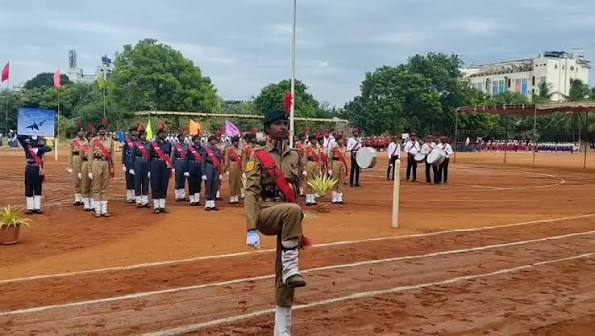
76th Annual Sports Meet held at Seethalakshmi Ramaswami CollegeSeethalakshmi Ramaswami College, Tiruchirappalli

The 76th Annual Sports Meet of Seethalakshmi Ramaswami College, Tiruchirappalli, was an important sporting event that highlighted the institution’s commitment to physical education, student fitness, teamwork and competitive sports. The annual sports meet provides students with an opportunity to demonstrate their athletic abilities while developing discipline, confidence, leadership and sportsmanship. Seethalakshmi Ramaswami College has a long-standing educational presence in Tiruchirappalli, and its annual sports celebrations form an important part of campus life. 1. Importance of the Annual Sports Meet The Annual Sports Meet is more than a competition between students. It is an occasion that brings together students, faculty members and the wider college community. The event encourages students to balance: Education + Physical Fitness + Competition + Teamwork + Leadership Through participation in sporting activities, students learn how to set goals, follow rules, work with teammates and handle both victory and defeat in a positive manner. 2. 76th Edition of the Sports Meet The 76th Annual Sports Meet represents the continuation of a long sporting tradition at Seethalakshmi Ramaswami College. The high number of editions demonstrates the importance that the institution has historically placed on sports and physical education. Such continuity allows successive generations of students to participate in sporting activities and maintain a strong campus sporting culture. 3. Opening of the Event An annual sports meet generally begins with a formal inauguration attended by college authorities, invited guests, faculty members and students. The opening programme may include: The formal opening establishes the spirit of discipline and fair competition for the events that follow. 4. Participation of Students One of the main features of the sports meet is the active participation of students from different departments. Students compete individually as well as in teams. Participation provides students with an opportunity to demonstrate skills developed through regular physical education and sports training. The event can also help identify students who possess exceptional athletic ability and may have the potential to participate in inter-collegiate, university, state and national-level competitions. 5. Athletic Competitions Track-and-field events are generally an important component of college sports meets. Depending on the event schedule, competitions may include: These competitions test speed, endurance, strength, coordination and technical ability. 6. Team Sports Team-based sporting activities encourage cooperation and communication among students. College sports programmes may include games such as: Team sports are particularly valuable because success depends on coordinated effort rather than individual performance alone. 7. Development of Sportsmanship A central objective of an annual sports meet is to promote sportsmanship. Students learn that competition is not simply about winning medals. It also involves: These values can benefit students beyond the sports field and contribute to their personal and professional development. 8. Physical Fitness and Health Participation in sports encourages students to maintain an active lifestyle. Regular physical activity can help improve: For college students, sporting activities can also provide a healthy balance to academic work and encourage lifelong interest in physical fitness. 9. Leadership Development Sports provide students with practical opportunities to develop leadership skills. Team captains and student organisers may be responsible for: These experiences can help students develop confidence and decision-making abilities that are valuable in their future careers. 10. Encouraging Women in Sports As a prominent women’s educational institution, Seethalakshmi Ramaswami College provides an important environment for encouraging female participation in sports. Women’s participation in athletics and games helps challenge the idea that competitive sports are primarily for men. Opportunities to compete and represent the institution can increase confidence and encourage students to pursue sports at higher levels. 11. Faculty and College Support The success of an annual sports meet depends on the cooperation of: Their combined efforts help ensure that competitions are conducted in an organised and safe manner. 12. Student Volunteers Student volunteers can play an important role in organising a large sports event. Their responsibilities may include: Such responsibilities provide students with valuable experience in event management and teamwork. 13. Recognition of Winners One of the most anticipated parts of the sports meet is the recognition of students who perform exceptionally well. Winners of individual and team events may receive: Recognition encourages students to continue their sporting activities and motivates other students to participate. 14. Overall Champion College sports meets often include an overall championship based on points earned across different events. Such recognition encourages departments or student teams to maintain consistent performance across multiple competitions rather than relying on one or two individual events. The overall championship can become an important source of pride for students and their respective departments. 15. Cultural and Social Importance The sports meet also strengthens relationships among students from different academic departments. Students who may normally interact only within their classrooms get an opportunity to work together during sports events. This creates: Thus, the sports meet contributes to the broader social and cultural life of the institution. 16. Importance for Tiruchirappalli District The event contributes to the sporting culture of Tiruchirappalli District by encouraging young people to participate in organised athletics and games. Educational institutions play a major role in identifying and nurturing sporting talent. College-level competitions can serve as an important bridge between school-level participation and higher-level competitive sports. Students who demonstrate outstanding performance may go on to represent their universities, districts or state. 17. Promoting a Balanced Education The 76th Annual Sports Meet demonstrates the importance of providing students with opportunities beyond academic study. A balanced educational environment develops both: Intellectual ability and physical ability. Sports can also teach practical lessons about discipline, time management, perseverance and dealing with pressure—qualities that are useful in professional life. 18. Building Future Athletes Annual sports meets can serve as a talent-identification platform. A student who performs exceptionally in an event may be encouraged to receive specialised coaching and participate in higher-level competitions. Through this process: College sports → Inter-collegiate competition → University-level competition → State-level competition → National competition talented athletes can progressively develop their abilities. 19. Message to Students The annual sports meet carries an important message to students: participation itself is an achievement. Not

Sports

Olympic Centre of Excellence planned for Trichy

The proposal to establish an Olympic Centre of Excellence in Tiruchirappalli represents an important development for the district’s sports infrastructure and could significantly strengthen the pathway for talented athletes from central Tamil Nadu. The proposed centre is intended to provide better training facilities, coaching, sports science support and competition opportunities for athletes aspiring to compete at national and international levels. 1. Vision for an Olympic-Level Sports Centre The proposed Centre of Excellence is aimed at creating a high-quality sporting environment where talented athletes can train systematically under qualified coaches. Rather than focusing only on individual competitions, a centre of excellence can provide an integrated system covering: This type of infrastructure can help athletes progress from district-level competitions toward state, national and international championships. 2. Importance for Tiruchirappalli Tiruchirappalli occupies an important geographical position in Tamil Nadu and serves as a major educational and transportation centre for the central part of the state. A high-level sports facility in Trichy could benefit athletes not only from the city but also from surrounding districts such as: This could reduce the need for promising athletes to travel to Chennai or other major cities for advanced training. 3. Developing Olympic Aspirants The primary objective of an Olympic-oriented centre would be to identify athletes with exceptional potential and provide them with long-term development programmes. Young athletes could be identified through: School competitions → District competitions → State-level competitions → National championships → International competitions → Olympic pathway This structured approach could help talented athletes receive appropriate coaching from an early stage. 4. Modern Training Facilities A Centre of Excellence would ideally include modern sporting infrastructure designed according to the requirements of different disciplines. Depending on the final plan, facilities could potentially include: The exact sports and facilities included would depend on the government’s final project design and implementation plan. 5. Sports Science and Athlete Development Modern elite sport depends heavily on sports science. An advanced centre could provide athletes with access to: These services can help athletes understand their physical capabilities and improve performance while reducing injury risks. 6. Role of Professional Coaches Experienced coaches would be central to the success of the proposed centre. Coaches can help athletes improve: Specialist coaches for individual sports would allow athletes to receive training suited to their specific requirements. 7. Opportunities for Young People The proposed facility could have a major impact on young people in Tiruchirappalli District. Students who demonstrate exceptional sporting ability could receive structured training while continuing their education. This could encourage more young people to participate in sports rather than viewing athletics and competitive sport merely as extracurricular activities. 8. Supporting Women in Sports A Centre of Excellence could also provide opportunities for female athletes. Dedicated training programmes, safe facilities, qualified coaches and appropriate accommodation can encourage more girls and women to participate in competitive sport. Greater participation could help Tamil Nadu identify more talented female athletes capable of reaching national and international competitions. 9. Employment Opportunities A large sports centre could create direct and indirect employment opportunities. Potential positions could include: The centre could therefore contribute to the development of a broader sports-related employment ecosystem in Tiruchirappalli. 10. Boost to Sports Tourism If the facility is developed to international standards, Tiruchirappalli could potentially host: Athletes, coaches and officials travelling to Trichy for these events could contribute to the local economy through spending on hotels, restaurants, transportation and other services. 11. Economic Benefits A major sporting facility can generate economic activity in surrounding areas. Local businesses such as: could benefit from increased activity associated with competitions and training camps. 12. Creating a Sporting Culture The project could help establish a stronger sporting culture in Tiruchirappalli. A successful Centre of Excellence could encourage children to participate in: The availability of professional facilities can make sports training more accessible and visible to the public. 13. Pathway to National and International Competition The long-term importance of the project would be its ability to create a clear pathway from local talent to elite competition. A well-designed system could work as follows: Talent identification → Professional coaching → Sports science support → State competition → National competition → International exposure → Olympic preparation This would allow promising athletes to develop within a structured environment instead of relying solely on private training facilities. 14. Significance for Central Tamil Nadu Tiruchirappalli’s location makes it particularly suitable as a regional sporting hub. Athletes from central Tamil Nadu could potentially access advanced training without relocating permanently to Chennai. This decentralisation of sports infrastructure could help distribute elite sporting opportunities more evenly across the state. 15. Long-Term Olympic Ambition The ultimate importance of an Olympic Centre of Excellence would be its contribution to India’s long-term Olympic ambitions. Producing an Olympic athlete requires years of preparation, professional coaching, financial support, competition experience and scientific training. The proposed centre could become one component of that larger development system by providing athletes with the facilities and support needed to progress toward elite competition. 16. Importance of Proper Implementation The success of the project would depend not only on constructing buildings and sports grounds but also on maintaining high-quality programmes. Important factors would include: A centre can become a genuine centre of excellence only when infrastructure and professional athlete-development programmes operate together. 17. Inspiration for Future Champions The proposed project could become an important source of inspiration for children in Tiruchirappalli. Seeing professional athletes train in their own district can encourage students to believe that international sporting careers are achievable. Young athletes could look toward the centre as a destination where their talent can be developed and transformed into competitive ability.

listings
News
Home
jobs
Contact