Tamil Nadu announces wider sports-development initiatives
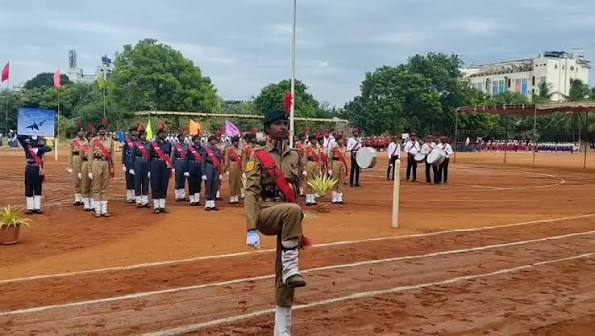
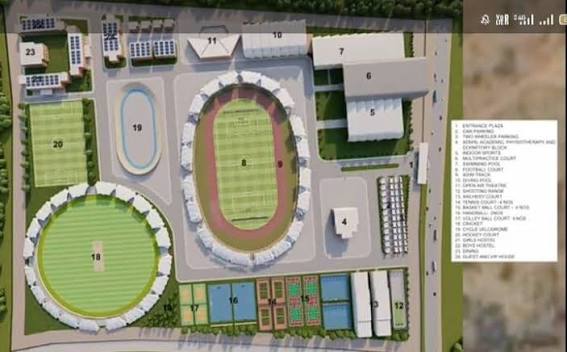
Tamil Nadu has been expanding its sports-development strategy with a focus on grassroots participation, sports infrastructure, talent identification, professional coaching and opportunities for young athletes. Tiruchirappalli is an important part of this wider effort, with the district included in infrastructure and competitive-sports programmes designed to strengthen sporting opportunities in central Tamil Nadu. One of the notable recent developments is the state’s Chief Minister’s Mini Stadium programme, under which mini stadiums are being developed in selected Assembly constituencies, including Tiruchirappalli. The wider ₹69-crore project focuses on sports such as football, athletics, basketball, volleyball and kabaddi. 1. Strengthening Sports Infrastructure The expansion of sports infrastructure is one of the main components of Tamil Nadu’s sports-development strategy. The proposed and ongoing facilities are intended to provide young people with better access to proper sporting grounds and training environments. For Tiruchirappalli, this is significant because the district serves as an important educational and regional centre for central Tamil Nadu. Better infrastructure can support: The availability of suitable facilities can encourage more students and young people to participate regularly in sports. 2. Chief Minister’s Mini Stadium Initiative Tamil Nadu launched a project to establish Chief Minister’s Mini Stadiums in 23 Assembly constituencies, with a total estimated cost of ₹69 crore. Tiruchirappalli is among the districts included in this infrastructure expansion. The initiative is intended to bring sporting facilities closer to local communities rather than concentrating major infrastructure only in large cities. For Tiruchirappalli District, such facilities can provide young athletes with more accessible places to practise and compete. 3. Grassroots Sports Development A major objective of the wider initiative is to encourage sports participation from an early age. Grassroots development is important because elite athletes generally require many years of structured training. Identifying talent at school and community level can therefore create a pathway such as: School participation → Local competitions → District competitions → State competitions → National competitions → International competitions Tiruchirappalli’s schools and colleges can play an important role in this process. 4. Identifying Young Sporting Talent Sports-development programmes can help identify children and young people with exceptional physical and technical abilities. Talent identification can involve evaluating: Once promising athletes are identified, they can receive specialised coaching and opportunities to participate in higher-level competitions. 5. Opportunities for Students Students form one of the most important groups benefiting from sports-development programmes. Regular participation in sports can help students develop: For students in Tiruchirappalli, expanded sports facilities can provide opportunities to balance academic education with physical development. 6. Development of Team Sports The Mini Stadium initiative specifically focuses on sports including football, athletics, basketball, volleyball and kabaddi. These sports require different combinations of physical and mental skills. For example: Football develops endurance, coordination and tactical awareness. Basketball develops speed, agility, teamwork and decision-making. Volleyball develops coordination, communication and reaction speed. Kabaddi develops strength, agility, balance and tactical thinking. Athletics provides opportunities for individual performance in running, jumping and throwing events. 7. Importance of Kabaddi and Traditional Sports Kabaddi has a particularly strong cultural and sporting presence in Tamil Nadu. Supporting traditional and indigenous sports can help preserve sporting traditions while also providing young athletes with competitive opportunities. District-level competitions can provide a pathway for talented kabaddi players to progress to state and national competitions. 8. Development of Athletics Athletics is one of the fundamental components of a strong sports ecosystem. Training facilities for running, jumping and throwing events can help identify athletes with exceptional natural ability. Young athletes can gradually progress from school competitions to district-level and state-level championships. A well-developed athletics programme in Tiruchirappalli could therefore contribute to the development of athletes in events such as: 9. Supporting Women in Sports Wider sports infrastructure can also create more opportunities for girls and women. Accessible facilities and organised competitions can encourage female participation in: Increasing women’s participation is important for creating a broader and more inclusive sporting culture in Tiruchirappalli. 10. Supporting Rural and Local Communities Sports infrastructure located closer to local communities can be particularly valuable for young people from rural and semi-urban areas. Many talented athletes may not have access to expensive private academies or advanced training centres. Local facilities can reduce travel requirements and make participation more accessible. This can help ensure that sporting talent is identified irrespective of a student’s economic background or place of residence. 11. Role of Schools and Colleges Educational institutions are essential partners in sports development. Schools can identify talented children through physical education and competitions, while colleges can provide more advanced opportunities. Institutions can organise: The sports culture already present in Tiruchirappalli’s educational institutions can therefore complement government infrastructure initiatives. 12. Centres of Sporting Excellence Infrastructure development can be complemented by specialised coaching and athlete-development programmes. A Centre of Excellence can provide athletes with a more systematic training environment, including: This is important because simply constructing a sports ground is not sufficient to produce elite athletes. Facilities, coaching and athlete support must work together. 13. Building a Competitive Sports Culture Regular competitions are an important part of sports development. Competitions teach athletes how to: Increasing the number of local competitions can therefore improve the competitive experience of young athletes. 14. Employment and Sports Careers The expansion of the sports ecosystem can also create opportunities beyond becoming an athlete. The sector can generate demand for: Thus, sports development can contribute to employment and skill development in Tiruchirappalli. 15. Health and Fitness Benefits Greater access to sports facilities can encourage young people to maintain active lifestyles. Regular physical activity can contribute to: Sports programmes can therefore contribute to public health as well as competitive athletics. 16. Youth Development Sports are also an effective tool for youth development. Young people participating in organised sports learn the importance of: Discipline → Practice → Goal setting → Teamwork → Perseverance → Achievement These qualities can be valuable in education, employment and personal life. 17. Tiruchirappalli as a Regional Sports Hub Because of its central location and large educational population, Tiruchirappalli has the potential to develop into a stronger regional