Tiruchirappalli

2026

Sports

Trichy Grand Cholas Register a Strong TNPL Victory in Tiruchirappalli District

Trichy Grand Cholas are the Tiruchirappalli-based franchise in the Tamil Nadu Premier League (TNPL), one of Tamil Nadu’s major domestic T20 cricket competitions. The team’s victories are particularly significant for cricket followers in Tiruchirappalli because the franchise represents the district and surrounding region on a prominent state-level platform. 1. Strong TNPL Performance Trichy Grand Cholas have produced several competitive performances in the TNPL, with victories providing an important boost to the team’s campaign. A strong win in the tournament generally involves a combination of effective batting, disciplined bowling and good fielding, allowing the side to control important stages of a T20 match. For supporters in Tiruchirappalli, such victories are more than ordinary cricket results. They provide a sense of regional pride and help strengthen the connection between the city, local cricket supporters and the TNPL. 2. Representation of Tiruchirappalli The team carries the name of Trichy, making it an important sporting identity for Tiruchirappalli District. The franchise gives local cricket followers an opportunity to support a team representing their region and provides a platform through which young players from Tamil Nadu can gain experience alongside established domestic cricketers. The team’s identity is closely connected with the history and cultural heritage of Tiruchirappalli, reflected in the name “Grand Cholas.” 3. Importance of the TNPL The Tamil Nadu Premier League provides competitive T20 cricket opportunities for players from Tamil Nadu. The tournament has become an important platform for discovering and developing domestic cricket talent. For players, strong performances in TNPL matches can help them gain: 4. Match Performance A strong TNPL victory by Trichy Grand Cholas typically reflects several important elements of T20 cricket. Batting:The batting unit needs to score quickly while preserving wickets. Powerplay scoring, partnerships and effective finishing are particularly important in a 20-over match. Bowling:Bowlers must restrict scoring while taking wickets at crucial moments. Effective variations such as slower balls, yorkers and changes of pace can be particularly useful in T20 cricket. Fielding:Sharp catching, accurate throwing and quick movement in the field can make the difference in closely contested matches. 5. Contributions from Key Players Victories often result from collective performances rather than the contribution of a single player. A successful Trichy Grand Cholas performance may involve: This balance is particularly important in the short format of cricket. 6. Importance of Momentum A victory can provide valuable momentum during a TNPL campaign. In a short tournament, teams have relatively few opportunities to accumulate points. Winning consecutive matches can improve confidence and strengthen a team’s position in the competition. A victory can also reduce pressure on players and encourage them to play more positively in subsequent matches. 7. Support from Trichy Cricket Fans Trichy Grand Cholas have a strong connection with cricket supporters in the region. Fans follow the team’s results closely and celebrate victories through social media and local cricket communities. The team’s presence helps create greater interest in: 8. Inspiration for Young Players One of the most important benefits of a regional franchise is the inspiration it provides to young cricketers. Young players in Tiruchirappalli and nearby districts can see domestic-level cricketers competing in a professional T20 tournament and understand that there are opportunities to progress through the cricket system. The success of Trichy Grand Cholas can therefore encourage young people to take cricket more seriously and participate in structured coaching and competitions. 9. Development of Cricket in Tiruchirappalli A successful TNPL franchise can contribute indirectly to the development of cricket infrastructure and sporting culture in the district. Greater interest in the team can encourage: This can strengthen the overall cricket ecosystem in Tiruchirappalli. 10. Regional Pride Sport has an important role in creating a shared regional identity. When Trichy Grand Cholas win an important TNPL match, supporters across Tiruchirappalli can celebrate the achievement of a team carrying their region’s name. The victory therefore represents not only a sporting achievement but also a moment of regional pride and community celebration. 11. Impact on Local Sports Culture The team’s participation in TNPL has helped keep professional cricket visible in Tiruchirappalli. It provides an example of how district-level sporting identities can become part of larger state competitions. Such visibility can encourage greater participation in cricket and other sports among students and young people. 12. Importance of Teamwork The most important lesson from a successful TNPL victory is the importance of teamwork. T20 cricket requires players to perform different roles: Opening batsmen → Middle-order batsmen → Finishers → All-rounders → Fast bowlers → Spinners → Fielders Every player contributes to the final result. A strong team performance demonstrates how individual contributions combine to produce a collective victory. 13. Entertainment for Cricket Supporters TNPL matches provide fast-paced entertainment because the T20 format creates frequent moments of excitement. Supporters can expect: A strong Trichy Grand Cholas victory therefore becomes an important sporting event for cricket fans across Tiruchirappalli.


Crime

Three Arrested in Assault on Woman

A significant assault and abduction case was reported in Tiruchirappalli District in July 2026, involving a young married couple near Maravanur on the Dindigul–Tiruchirappalli National Highway. Police arrested three people after a group allegedly intercepted the couple, assaulted the husband and forcibly took the woman away. The woman was subsequently rescued and reunited with her husband. 1. Background of the Incident According to police as reported by The New Indian Express, the incident involved 26-year-old A. Chithiravalli and her husband, 27-year-old P. Ajithkumar. The couple had been in a relationship for around two-and-a-half years before marrying on June 25, 2026, despite opposition from Chithiravalli’s family. The case attracted attention because the couple belonged to different communities. Chithiravalli was reported to belong to the Most Backward Class (MBC) community, while Ajithkumar belonged to the Scheduled Caste (SC) community. Police said that opposition to their relationship preceded the incident. 2. Marriage and Protection Request After their marriage on June 25, the couple reportedly approached the Manapparai All Women Police Station and submitted a petition seeking protection. They subsequently lived together at Sithanatham. The incident later developed following a complaint lodged with Manapparai police by P. Murugesan, who was identified as Chithiravalli’s brother-in-law. The complaint reportedly concerned a dispute with Ajithkumar. 3. Incident Near Maravanur On the day of the incident, Ajithkumar, his wife and a relative reportedly travelled by autorickshaw after appearing at the police station in connection with the inquiry. According to the police complaint, while they were returning home, a group allegedly intercepted their autorickshaw near Maravanur on the Dindigul–Tiruchirappalli National Highway. Police alleged that members of the group: A video purportedly showing part of the incident was subsequently circulated on social media. 4. Three People Arrested Following Ajithkumar’s complaint, Manapparai police arrested three people in connection with the incident. The arrested persons were identified as: Police said that they were booked under relevant provisions of the Bharatiya Nyaya Sanhita (BNS) and the Scheduled Castes and Scheduled Tribes (Prevention of Atrocities) Act. 5. Woman Rescued One of the important developments in the case was the recovery of Chithiravalli. Police subsequently rescued the woman and reunited her with her husband. Three people were arrested, while police continued efforts to locate other individuals allegedly involved in the incident. 6. Other Suspects Police investigations indicated that the group allegedly consisted of more people than the three arrested individuals. According to the report, Alagar, identified as one of Chithiravalli’s brothers, and three unidentified individuals were still being sought at the time of the report. Police continued their investigation to establish the complete circumstances and identify all persons allegedly involved. 7. Alleged Assault on the Husband Although the headline refers to the incident as an assault and abduction involving the woman, the reported sequence also involved an alleged physical attack on her husband. Police said Ajithkumar was allegedly assaulted and threatened before the woman was taken away. The alleged attack became a central part of the complaint filed with Manapparai police. 8. Inter-Caste Marriage Angle The case received wider attention because of the alleged opposition to the couple’s inter-caste marriage. According to the police account, Chithiravalli’s family had opposed her relationship with Ajithkumar. Despite this opposition, the couple married without their parents’ consent and sought police protection. Because the complaint included allegations of caste-based abuse against Ajithkumar, police also invoked provisions of the SC/ST (Prevention of Atrocities) Act, alongside relevant BNS provisions. 9. Police Investigation The investigation involves determining: Police also examined the video of the incident that circulated online as part of the investigation. 10. Legal Significance The case demonstrates how an interpersonal or family dispute can escalate into allegations of assault, wrongful restraint, abduction, threats and caste-based abuse. The involvement of the SC/ST (Prevention of Atrocities) Act is particularly significant because allegations of caste-based abuse or violence can attract additional legal provisions when the statutory requirements are met. Importantly, being arrested or booked does not mean that an accused person has been convicted. The allegations must be established through the legal process. 11. Importance of Women’s Safety The incident has broader implications for women’s safety in Tiruchirappalli District. When a woman is allegedly taken away against her will during a confrontation, rapid police intervention becomes particularly important. The rescue of the woman and her reunion with her husband demonstrate the importance of prompt reporting and police response in cases involving alleged abduction or unlawful restraint. 12. Role of the Public Members of the public who witness violent incidents should avoid directly confronting an armed or aggressive group. Instead, they should: Video evidence and eyewitness information can be particularly useful in reconstructing the sequence of events. 13. Community Awareness The case also highlights the importance of peaceful resolution of family and relationship disputes. Disagreements concerning marriage, relationships or family decisions should be addressed through: Violence, threats or forcibly taking a person away are not appropriate methods of resolving such disputes.

Crime

Three Booked for Assaulting Government Bus Driver

A recent incident in Tiruchirappalli has raised concerns about the safety of government transport employees after three people were booked for allegedly assaulting a Tamil Nadu government bus driver. According to a report published by The Times of India, the incident occurred after a dispute concerning the driver’s actions during a bus journey. Police subsequently registered a case against the three accused. 1. Background of the Incident The incident reportedly took place in Trichy city on a Monday. According to the police account, the accused were unhappy with the way the government bus driver had allegedly caused inconvenience to members of their family while travelling on the bus. What began as a disagreement reportedly escalated into a confrontation, during which the driver was allegedly assaulted. Following the incident, a complaint was made to the police and a criminal case was registered. 2. Dispute During the Bus Journey Government buses serve thousands of passengers every day throughout Tiruchirappalli District, connecting the city with surrounding towns and villages. Disagreements between passengers and bus crews can sometimes arise over issues such as: In this particular case, the disagreement reportedly concerned inconvenience caused to the accused’s family members during the journey. The disagreement subsequently developed into an alleged physical assault of the driver. 3. Assault on a Public Transport Employee A bus driver is responsible not only for operating the vehicle but also for maintaining the safety of passengers while driving. An assault on a driver can therefore have consequences beyond the injuries suffered by the employee. A confrontation inside or around a moving public transport service can potentially place: at risk. For this reason, incidents involving violence against transport employees are treated seriously by law-enforcement authorities. 4. Police Action Following the complaint, police booked three individuals in connection with the alleged assault. The investigation is intended to establish the exact circumstances of the incident and determine the individual roles of those involved. As this is a reported criminal case, the allegations against the accused should be understood as allegations unless and until established through the legal process. 5. Impact on Government Bus Services Incidents involving violence against bus drivers and conductors can affect public transportation because drivers may become concerned about their personal safety while performing their duties. Government buses are particularly important in Tiruchirappalli District because they connect: Maintaining a safe environment for transport employees is therefore important for ensuring uninterrupted public transportation. 6. Earlier Incidents in Tiruchirappalli The latest incident follows other reported cases of attacks involving government bus crews in the Trichy region. In July 2026, a private-company bus driver and his son were arrested after allegedly assaulting a TNSTC bus driver near KK Nagar following an argument over the positioning of buses at a bus stop. Police registered a case under Sections 296(b) and 121(1) of the Bharatiya Nyaya Sanhita (BNS). The two accused were subsequently released on bail, and the investigation was continuing. In another earlier incident reported in 2023, four unidentified youths allegedly threw stones at a government bus driver near Devar Hall, after the driver and conductor asked passengers standing on the bus steps to move inside. The driver sustained a head injury and filed a complaint with Fort police. These incidents illustrate the broader safety challenges that public-transport employees can face while dealing with passengers and other road users. 7. Importance of Driver Safety Government bus drivers work under demanding conditions. They must simultaneously concentrate on: Physical confrontation with a driver can distract the driver from these responsibilities and potentially create a serious safety hazard. Passengers who have complaints about bus services should therefore use formal complaint mechanisms rather than resorting to threats or violence. 8. Role of Passengers and the Public Passengers can help prevent such incidents by maintaining discipline and resolving disagreements peacefully. If a passenger has a complaint regarding: the appropriate response is to contact the transport authorities or police where necessary. Passengers should avoid physically confronting the driver, particularly while the bus is operating. 9. Importance of CCTV and Evidence Modern buses and surrounding public areas may have CCTV coverage, while witnesses and mobile-phone recordings can also become relevant during investigations. Evidence that can assist investigators may include: Such evidence can help police establish the sequence of events and identify those allegedly responsible. 10. Legal Perspective When an alleged assault involves a person performing public duties, police may consider provisions of the Bharatiya Nyaya Sanhita (BNS) and other applicable laws depending on the circumstances. The exact offences and sections applicable to the latest case should be determined from the FIR and subsequent investigation. A news report saying that people were “booked” does not mean that they have been convicted. 11. Social Impact Violence against public-service workers can have a wider social impact. Bus drivers and conductors interact with thousands of members of the public every day. If workplace violence becomes common, it can affect employee morale and public confidence in transportation services. Promoting: Respect → Communication → Patience → Lawful Complaints → Non-violence is essential for maintaining a safe public-transport environment. 12. Need for Awareness Public awareness programmes can help passengers understand that disagreements with transport employees should be resolved through proper channels. Transport corporations can also strengthen safety through:

Crime

Cyber Fraud: Two Men Lose ₹2 Lakh

Cyber fraud has become an increasing concern in Tiruchirappalli, with individuals being targeted through deceptive online advertisements, malicious links, fake payment requests and attempts to obtain banking information. A recent incident reported on August 14, 2026, involved two men in Trichy city who separately lost ₹1 lakh each, resulting in a combined loss of ₹2 lakh. One of the victims was a retired railway employee. 1. First Incident – Online Advertisement and Malicious APK The first victim was D. Kumar, 41, a resident of Rockfort who operates a grocery shop in Sanjeevi Nagar. According to the police account reported by The Times of India, on August 11, 2026, Kumar came across an online advertisement while using Facebook. After clicking on the advertisement, an unidentified person contacted him and sent an APK file to his mobile phone. The person allegedly persuaded Kumar to provide personal information, including banking credentials. After the information was provided, an amount of ₹1 lakh was transferred using one of his credit cards. Kumar subsequently realized that he had been deceived and lodged a complaint through the National Cybercrime Reporting Portal (NCRP). 2. Second Incident – Fake Traffic Fine Message The second victim was R. Vasudevan, 61, a retired railway employee from Kallukuzhi. On August 12, 2026, Vasudevan reportedly received a WhatsApp message asking him to pay an alleged unpaid traffic fine through a link included in the message. After clicking the fraudulent link, ₹1 lakh was debited from his bank account. The incident demonstrates how fraudsters can use official-looking messages and urgent payment demands to persuade victims to interact with malicious links. 3. Combined Financial Loss The two incidents resulted in a combined loss of: ₹1,00,000 + ₹1,00,000 = ₹2,00,000 Although the two cases occurred separately and involved different methods, both demonstrate the risks associated with interacting with unsolicited online advertisements, messages and links. 4. How the Fraudsters Operated The two cases demonstrate two common cyber-fraud techniques: Case 1: Malicious APK / Online Advertisement Case 2: Fake Traffic-Dues Message 5. Why These Frauds Are Dangerous Cyber fraudsters often depend on urgency, fear, attractive offers or false authority to influence victims. Examples include messages claiming: The objective is generally to make the victim act quickly without independently verifying the message. 6. Growing Cybercrime Concern in Tiruchirappalli The two recent cases are part of a broader cybercrime problem in the Tiruchirappalli region. A 2025 report stated that nearly 5,900 online-fraud cases had been reported in rural Tiruchy over four years, with victims losing around ₹41 crore. Police identified part-time-job scams, loan-app fraud and online-trading scams among significant methods used by fraudsters. The report also highlighted how scammers increasingly use WhatsApp, Telegram and Instagram to approach potential victims with apparently attractive opportunities. 7. Common Cyber-Fraud Methods People in Tiruchirappalli and elsewhere can encounter several forms of online fraud, including: The 2025 Tiruchy report specifically noted that scammers sometimes begin with small payments or simple online tasks to build trust before asking victims to transfer larger amounts. 8. Police Investigation Following the two complaints, cybercrime police registered cases and began investigating. The investigation is intended to identify the individuals responsible for the fraudulent transactions and determine how the money was transferred. Cybercrime investigations can involve examining: 9. Importance of Immediate Reporting The incidents demonstrate why victims should report cyber fraud as soon as they discover the unauthorized transaction. Early reporting can give authorities and financial institutions a better opportunity to trace the transaction and potentially prevent further movement of the money. Victims should preserve: 10. Preventive Measures Residents can reduce their exposure to cyber fraud by following basic precautions: 11. Public Awareness Public awareness is particularly important because cybercriminals continuously change their methods. A fraud that appears to be a job offer today may appear as a traffic fine, investment opportunity or banking alert tomorrow. Residents should remember: Never trust an unexpected message simply because it looks official. Verify it independently before taking any action. 12. Social Impact Cyber fraud does not only cause financial losses. Victims can also experience: For older people, retired employees and individuals who are less familiar with digital-security practices, awareness and family support can be particularly valuable.

Crime

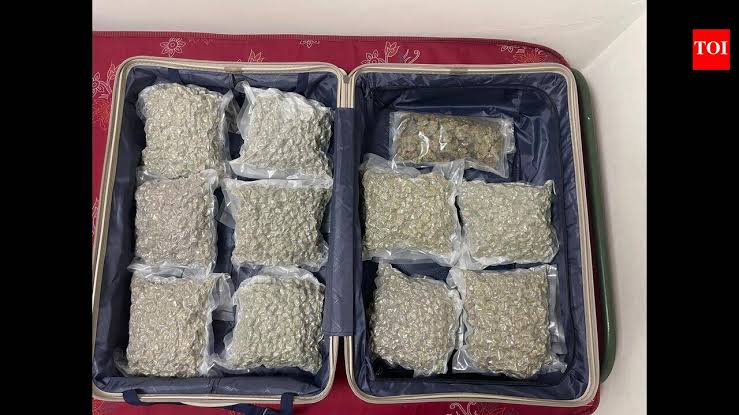
2.6 kg Ganja Seized on Trichy–Dindigul Highway

I could not verify a reliable report matching the specific claim of a 2.6 kg ganja seizure on the Trichy–Dindigul Highway. The search results do confirm a 2.6 kg ganja seizure in Trichy, but that report concerns Ramjinagar police and does not establish that it occurred on the Trichy–Dindigul Highway. If you are preparing a Tiruchirappalli District crime/news page, I would avoid presenting the highway location, date, number of accused, vehicle details, or seizure circumstances as facts unless you have the original news report. Background on the verified Trichy seizure According to a Times of India report published on August 8, 2022, Trichy district police conducted several operations against ganja peddlers. In one operation, Ramjinagar police arrested eight people and seized 2.6 kg of ganja, which police valued at approximately ₹26,000 at the time. The report said this was one of several separate arrests made by Trichy police during the same period. The same report stated that police had earlier arrested four alleged peddlers and seized 1.3 kg of ganja, while another person was arrested in the Thuvarankurichi area with 150 grams of ganja. Significance of the seizure A seizure of this size is significant from a law-enforcement perspective because it indicates an effort to intercept the possession and distribution of cannabis rather than merely addressing individual consumption. Police action against suspected drug-peddling networks generally involves: Importance of Highway Surveillance The major highways connecting Tiruchirappalli with neighbouring districts are important transportation corridors. Effective policing on such routes can help authorities detect the movement of illegal substances. However, for the specific 2.6 kg seizure mentioned in your heading, I could not establish from reliable sources that the seizure occurred on the Trichy–Dindigul Highway. Therefore, that detail should not be included as a confirmed fact without the original source. Social Impact Drug trafficking and illegal possession of cannabis can create broader social concerns, particularly when drugs become accessible to young people. Prevention therefore requires more than arrests and seizures. It also involves: Police and Community Role Residents can contribute to prevention by reporting suspected drug-trafficking activity to the appropriate police authorities rather than confronting suspected offenders themselves. Law-enforcement agencies can strengthen prevention through highway surveillance, intelligence-led operations, CCTV monitoring where available, vehicle checks and investigation of supply networks.

Crime

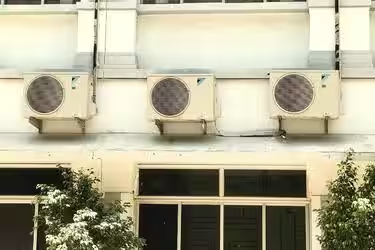
AC Copper Tube Theft by Teenagers

AC copper tube theft has emerged as a recurring property-crime issue in Tiruchirappalli (Trichy), particularly in the city area. Thieves target the copper tubing connected to outdoor air-conditioning units because it can be removed relatively quickly and sold to scrap dealers. Recent reports indicate that teenagers and young people have been involved in several such incidents, raising concerns about both property security and youth involvement in substance-related crime. 1. Recent Increase in AC Copper Theft Tiruchirappalli has experienced a noticeable rise in thefts involving copper components from air conditioners. In June 2026, police said that at least 20 cases involving AC copper tubes/coils and electrical wiring had been officially recorded within the city limits from September 2025 to June 2026, with more than 10 suspects arrested. The problem has continued into August 2026. A report published on August 18, 2026 stated that the city had recorded at least three AC copper-tube thefts in the preceding 15 days, with two teenagers arrested in connection with two of those cases. 2. Why Copper Tubes Are Targeted Copper has significant scrap value, making AC copper tubing attractive to thieves. Police sources told the Times of India that stolen tubes can be sold to scrap dealers for quick cash. The report said some young offenders were allegedly using the proceeds to fund drug use. Copper prices have also increased considerably in recent years. A June 2026 report noted that copper prices had risen from around ₹700 per kg in 2023 to about ₹1,700 per kg in 2026, increasing the attractiveness of copper theft. 3. How the Theft Takes Place The outdoor units of split air conditioners are often installed on: These locations can sometimes be reached by climbing compound walls, terraces or nearby structures. According to police, offenders sometimes target properties where the outdoor AC unit is easy to reach but not clearly visible from the street. They remove the copper tubing and leave before the owner notices. 4. Why Victims May Not Notice Immediately An important feature of these thefts is that the owner may not immediately realize that the copper tube has been removed. The problem often becomes apparent only when the person switches on the AC and discovers that it does not cool or operate normally. In some cases, the owner initially assumes that the air conditioner has developed a technical fault before discovering that the copper tubing has been stolen. A similar incident reported in Trichy in March 2025 involved a resident who noticed a juvenile apparently dismantling the copper tubing from an AC outdoor unit. 5. Teenagers and Juveniles Involved One of the major concerns is the involvement of teenagers and young offenders. In August 2026, police arrested two teenagers in connection with two of three recently reported AC copper-tube thefts in Trichy. Police said that young offenders were able to remove the tubes without making much noise and subsequently sell them. Earlier incidents also demonstrate juvenile involvement. In November 2023, Thillai Nagar police arrested a 15-year-old boy after he was allegedly found stealing approximately 5 kg of copper wire intended for air-conditioning equipment from a doctor’s house in Trichy. The copper wire was recovered. 6. Railway Property Copper Theft AC copper theft has also affected railway properties in Tiruchirappalli. In June 2026, the Railway Protection Force and Trichy city police arrested people in connection with thefts of copper tubes from AC units at railway properties. A 19-year-old and a 16-year-old boy were among those apprehended in one incident, and copper tubes were recovered. The juvenile was produced before the Juvenile Justice Board. The investigation also led police to a steel-shop owner who was allegedly involved in receiving stolen copper material. 7. Other Places Targeted The thefts are not limited to private houses. Police reports indicate that offenders have targeted AC units installed at: The August 2026 report noted that government offices, hospitals, banks and lodges were among the locations affected. 8. Examples of Financial Loss Although the stolen copper itself may have a relatively limited scrap value, the resulting repair bill can be considerably higher. A June 2026 report cited several examples in Trichy, including: Thus, the economic impact of the crime includes not only the value of the stolen copper but also AC repair, replacement and business-disruption costs. 9. Connection With Scrap Dealers A major concern for police is the resale network. According to reports, thieves sell stolen copper tubes to scrap dealers or other buyers, making recovery difficult because the material can quickly move through the scrap market. Police have said that stolen tubes may be sold rapidly after the theft. Investigations into some cases have therefore extended beyond the original thieves to people suspected of purchasing or handling stolen copper. 10. CCTV Helps Police Investigations CCTV footage has become an important tool in investigating these thefts. Police examine cameras installed around: In some cases, footage helps investigators identify suspects and establish their movements. Police have specifically advised residents and commercial establishments to install CCTV cameras to improve security and assist investigations. 11. Time and Location Patterns Police have observed particular patterns in the timing of these crimes. A June 2026 report said that many thefts occurred between midnight and 4 a.m., while offenders could survey potential locations during the daytime. The August 2026 report also indicated that locked houses could be targeted during the morning, while government offices were sometimes targeted at night. 12. Impact on Residents AC copper theft creates several problems for residents. The immediate consequences include: The problem becomes especially serious during periods of high temperature because residents depend heavily on air conditioning. 13. Impact on Businesses For commercial establishments, the consequences can be greater than the direct repair cost. Restaurants, offices, training centres, shops and other businesses depend on air conditioning for customers, employees and equipment. When copper tubing is stolen, the AC system can become unusable until repairs are completed. This can lead to: 14. Youth Crime and Substance Abuse Concerns The involvement of teenagers in copper theft has

Festivals

Chithirai Festival

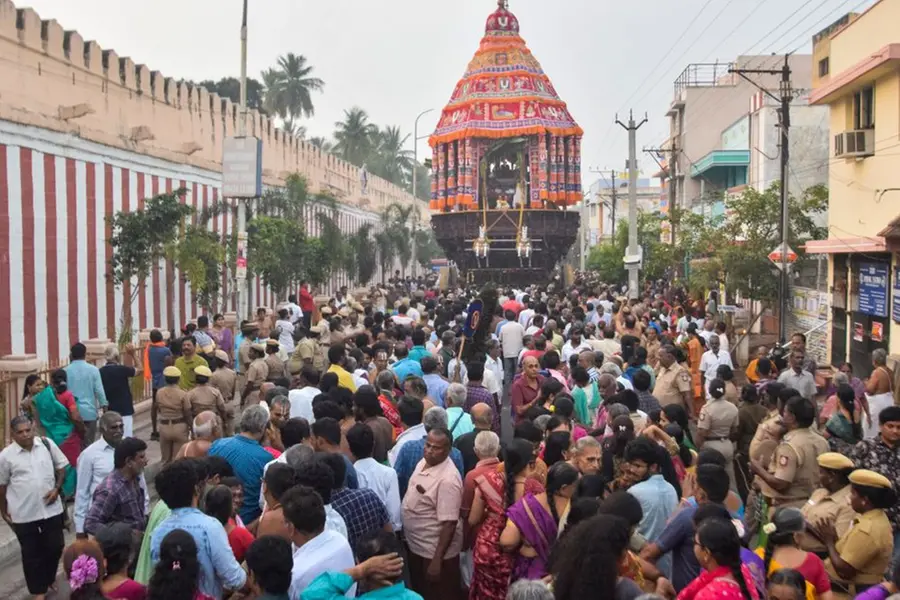
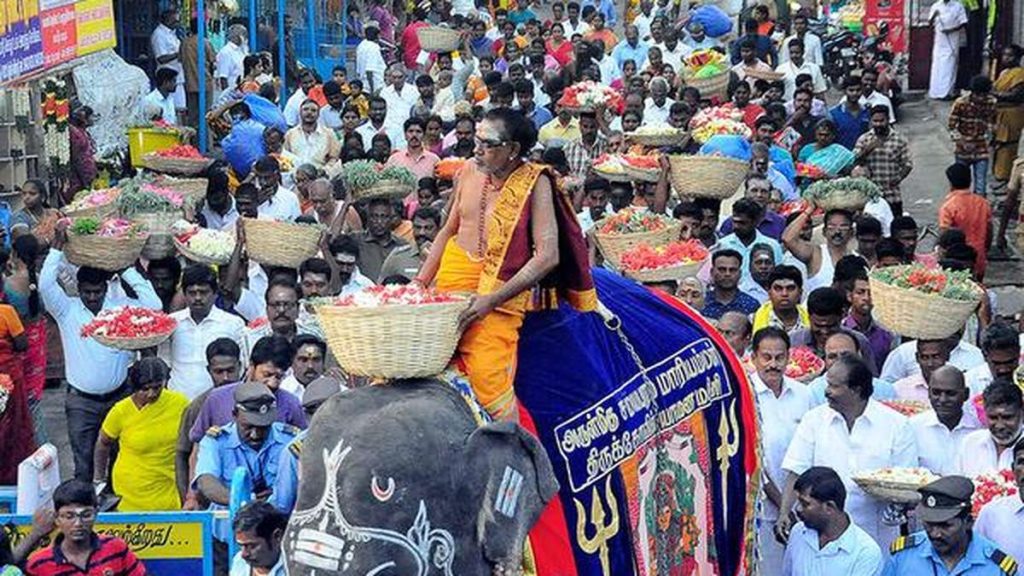
In Tiruchirappalli, the festival is particularly prominent at Samayapuram Mariamman Temple, Sri Ranganathaswamy Temple at Srirangam, and the Thayumanaswamy Temple at Rockfort. Each temple follows its own traditions, giving Chithirai a diverse religious and cultural character across the district. The Tiruchirappalli District administration specifically identifies the Chithirai Car Festival at Samayapuram as a famous festival of the district. 1. Chithirai Festival at Samayapuram Mariamman Temple The Samayapuram Mariamman Temple is one of the major pilgrimage centres of Tiruchirappalli. Its Chithirai festival is one of the most prominent celebrations in the district. Samayapuram Mariamman Temple The Ministry of Tourism’s Utsav portal describes the Samayapuram Chithirai Ther Thiruvizha as an annual festival held in the Tamil month of Chithirai. The festival traditionally extends over 13 days, with the major chariot procession taking place on the 10th day. Large numbers of devotees gather to participate in and witness the procession. The Tamil Nadu district administration also confirms that the Chithirai Car Festival at Samayapuram is held in April–May. 2. Flag Hoisting – Kodiyetram The Chithirai celebrations begin with important temple rituals, including Kodiyetram, or the ceremonial hoisting of the temple flag. The flag-hoisting ceremony announces the beginning of the festival and marks the start of a series of special religious events. Devotees gather at the temple to witness the ceremony and seek the blessings of the goddess. In the 2026 Samayapuram Chithirai festival, the grand festival began with flag hoisting on April 5, followed by several processions and the major chariot event. 3. Chithirai Ther – The Chariot Festival The Chithirai Ther is the most spectacular event of the Samayapuram festival. A beautifully decorated temple chariot carrying the festival form of Goddess Samayapuram Mariamman is taken through the designated streets around the temple. Devotees participate by helping to pull the enormous chariot. The procession represents the goddess coming out among her devotees and blessing the community. The event attracts very large crowds. The Ministry of Tourism notes that the chariot is pulled by devotees and that the festival draws lakhs of pilgrims. 4. Religious Processions and Vahanams Throughout the Chithirai festival, the deity is taken in procession on different vahanams, or ceremonial vehicles. Different days can feature different forms of procession, allowing devotees to receive darshan of the deity in various traditional decorations. The 2026 festival programme at Samayapuram included processions associated with wooden-horse, silver-horse, Kamadhenu and other vahanams, in addition to the major chariot procession. 5. Theppam – Float Festival Another important event associated with the Chithirai festival season is the Theppam, or float festival. The deity is placed on a decorated float and taken around the temple tank or water area as part of the ceremonial celebration. The combination of the Ther (chariot) and Theppam (float) makes the Chithirai festival especially attractive to devotees and visitors. 6. Devotional Offerings During the festival, devotees make various offerings to Goddess Mariamman as expressions of faith and gratitude. Depending on individual vows and temple traditions, devotees may participate in practices such as: These practices reflect the strong devotional relationship between the deity and the local community. 7. Chithirai Festival at Srirangam Chithirai is also important at the famous Sri Ranganathaswamy Temple at Srirangam, one of the most significant Vaishnavite pilgrimage centres in Tiruchirappalli. Sri Ranganathaswamy Temple The Ministry of Tourism identifies the Srirangam Chithirai Car Festival, also known as Srirangam Chithirai Ther, as an important annual event of the temple. The temple is situated on the island formed by the Kaveri and Kollidam rivers and is one of the major religious landmarks of Tiruchirappalli. During the festival, devotees gather for special worship and the ceremonial procession of the temple deity. 8. Chithirai Festival at Rockfort The historic Rockfort Thayumanaswamy Temple also has a Chithirai car festival. Thayumanaswamy Temple The Ministry of Tourism describes the Chithirai Car Festival at Rockfort Temple as an important annual celebration during which large numbers of visitors come to the Rockfort area. The temple is dedicated to Lord Shiva and is located partway up the Rockfort hill. The festival provides devotees with an opportunity to participate in special Shiva worship and witness the temple’s traditional procession. 9. Traditional Temple Decorations During Chithirai, temples and their surrounding streets are decorated with: The decorated chariots and temple vehicles are particularly attractive, creating a vibrant atmosphere throughout the festival. 10. Devotional Music Music is an important part of Chithirai celebrations. Temple processions are accompanied by traditional instruments and devotional songs. Devotees may participate in: The combination of music, decorated temple vehicles and large processions gives the festival a distinctive cultural character. 11. Community Participation Chithirai is not limited to temple priests and devotees. The festival involves the wider community. Local residents, volunteers, traders, temple workers and government departments all contribute to the smooth conduct of the celebrations. People help with: This makes the festival an important example of community participation and cooperation. 12. Annadanam and Charity Annadanam, or the free distribution of food, is an important charitable activity associated with major temple festivals. During Chithirai, devotees and charitable organizations may arrange food and refreshments for pilgrims. Such activities reflect the traditional Tamil values of hospitality, charity and service to others. 13. Cultural Importance Chithirai Festival plays an important role in preserving the cultural heritage of Tiruchirappalli. The festival brings together: Temple traditions + Religious worship + Folk culture + Music + Community participation + Traditional processions It also gives children and younger generations an opportunity to experience traditional Tamil temple customs. 14. Agricultural and Seasonal Connection Chithirai falls during the transition into the summer season in Tamil Nadu. Traditionally, temple festivals during this period provided an important opportunity for rural communities to come together. People from villages surrounding Tiruchirappalli often visit temples during festival days, meet relatives and friends and participate in community activities. 15. Tourism Importance Chithirai contributes significantly to religious and cultural tourism in Tiruchirappalli District. Visitors can experience several major temple traditions during the season, including: The Government of India’s tourism portal specifically promotes the Samayapuram and Srirangam Chithirai

Festivals

Maha Shivaratri

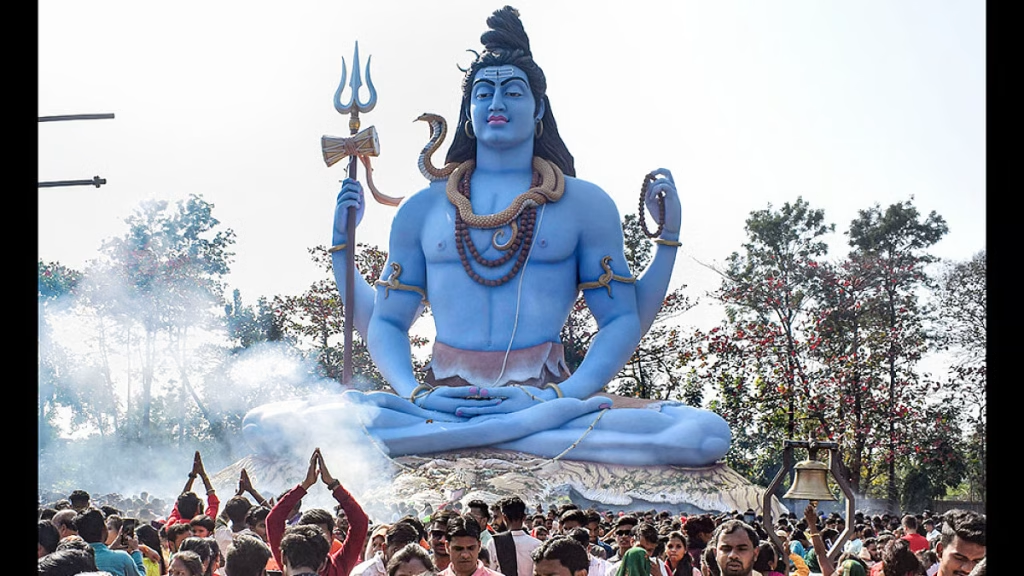
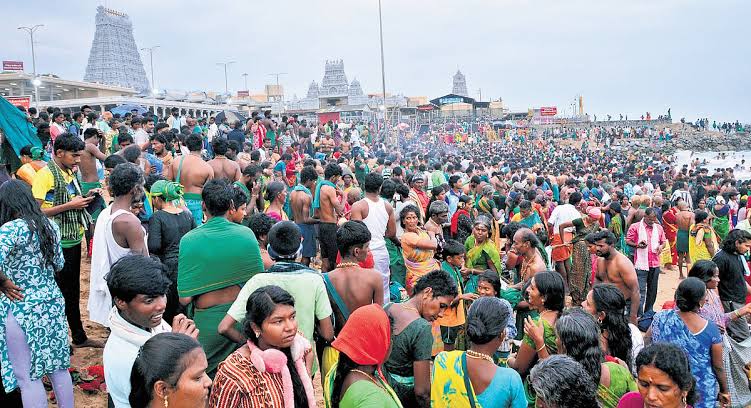
Maha Shivaratri, meaning the “Great Night of Lord Shiva,” is one of the most important festivals dedicated to Lord Shiva. It is celebrated with great devotion in Tiruchirappalli District, which has a rich heritage of ancient Shiva temples. The festival is particularly significant at temples such as Thayumanaswamy Temple at Rockfort, Jambukeswarar Temple at Thiruvanaikaval, Erumbeeswarar Temple at Thiruverumbur, Gneeliwaneswarar Temple at Tiruppaingneeli and other Shiva temples across the district. The Tiruchirappalli district administration identifies Rockfort’s Thayumanaswamy Temple as a Shiva temple situated within the historic Rockfort complex, while Jambukeswarar Temple is an important Shiva temple at Thiruvanaikaval. 1. Religious Significance Maha Shivaratri is observed on the Chaturdashi (14th lunar day) of the dark fortnight. Devotees traditionally spend the night in prayer, meditation and worship of Lord Shiva. The festival represents: Devotees consider the night especially auspicious for Shiva worship and meditation. 2. Maha Shivaratri in Tiruchirappalli Tiruchirappalli has a particularly strong connection with Shaivite traditions because of its historic Shiva temples. The Thayumanaswamy Temple at Rockfort is one of the prominent Shiva temples in the city. The official district tourism page describes the temple as being dedicated to Lord Shiva and located halfway up the Rockfort hill. The temple’s official HR&CE website identifies the shrine as Arulmigu Thayumanaswamy Temple and records its location in Tiruchirappalli District. During Maha Shivaratri, devotees visit Shiva temples throughout the district for special worship and prayers. 3. Thayumanaswamy Temple, Rockfort Thayumanaswamy Temple The Thayumanaswamy Temple is one of the important Shiva temples in Tiruchirappalli city. It is situated within the famous Rockfort complex. The district administration notes that the temple contains a 100-pillared hall and a vimana and is an important landmark of the city. Maha Shivaratri is among the festivals associated with the temple, and the occasion brings devotees for special prayers and Shiva worship. 4. Jambukeswarar Temple, Thiruvanaikaval Jambukeswarar Temple Another major Shiva pilgrimage centre in the district is Jambukeswarar Temple at Thiruvanaikaval. The temple is dedicated to Lord Shiva and is associated with the water element among the Pancha Bhoota Sthalas. The district administration states that the lingam is partially surrounded by water and represents the element of water. During Maha Shivaratri, devotees visit the temple to offer prayers and participate in special Shiva worship. 5. Special Abhishekam Abhishekam is one of the most important rituals performed during Maha Shivaratri. Devotees offer or witness the offering of substances such as: The Shiva Lingam is ceremonially bathed and decorated during the worship. Devotees believe these offerings express their reverence and devotion to Lord Shiva. 6. Bilva Leaves The Bilva leaf has a special place in Shiva worship. Devotees offer Bilva leaves to the Shiva Lingam during Maha Shivaratri. The offering is considered an important form of devotion, and many devotees spend time collecting or purchasing Bilva leaves specifically for the festival. 7. Fasting Many devotees observe a fast or vratam on Maha Shivaratri. Depending on individual tradition, devotees may consume fruits, milk or other permitted foods, while some observe a stricter fast. Fasting is regarded as a form of self-control and spiritual discipline. 8. Night-long Worship One of the defining features of Maha Shivaratri is night-long worship. Devotees may remain awake throughout the night, participating in: Traditional Shiva worship may be performed during the four praharas, or divisions of the night. For example, the 2026 Tiruchirappalli calendar listed four night worship periods from the evening of February 15 into the early morning of February 16. 9. Chanting of Shiva Mantras Devotees commonly chant sacred names and mantras associated with Lord Shiva. One of the best-known is: “Om Namah Shivaya.” Continuous chanting creates a deeply devotional atmosphere inside and around the temples. 10. Temple Decorations During Maha Shivaratri, Shiva temples are traditionally decorated with: The sanctum and temple premises take on a special festive appearance. 11. Special Pujas Special pujas are conducted throughout the festival period. Depending on temple tradition, worship may include several rounds of puja during the night. Devotees participate by offering flowers, fruits, coconuts and other traditional offerings and by receiving prasadam after the rituals. 12. Devotee Crowds Maha Shivaratri attracts large numbers of devotees to prominent Shiva temples in Tiruchirappalli. People travel from surrounding villages, towns and other parts of the region. The festival therefore creates a strong atmosphere of collective worship and community participation. 13. Spiritual Importance Maha Shivaratri encourages devotees to concentrate on spiritual life and spend the night in prayer rather than ordinary entertainment. For devotees, the festival is an opportunity to: 14. Cultural Importance Maha Shivaratri also contributes to the preservation of Tamil Shaivite traditions in Tiruchirappalli. The district has numerous historic temples and several important Shiva shrines. The Thayumanaswamy Temple, for example, is associated with the Tamil Shaivite devotional tradition and is recognized as a Paadal Petra Sthalam. The festival allows younger generations to experience traditional temple rituals, devotional music and religious customs. 15. Community Activities Along with temple worship, Maha Shivaratri may involve community-based religious activities such as: These activities encourage charity, cooperation and community service. 16. Importance for Temple Tourism Maha Shivaratri adds to Tiruchirappalli’s importance as a destination for religious and cultural tourism. Visitors can combine their pilgrimage with visits to the district’s historic temples and heritage sites. The Rockfort complex itself is one of Tiruchirappalli’s major landmarks, and the district administration highlights its accessibility from the city’s major transport facilities. 17. Economic Importance Major temple festivals also support local economic activity. During festival periods, devotees purchase: Small vendors, flower sellers, transport operators and other local businesses may benefit from the increased number of visitors. 18. Social and Cultural Unity Maha Shivaratri brings people together regardless of age and occupation. Families visit temples together, devotees participate in collective prayers and volunteers help organize temple activities. The festival therefore strengthens the values of: Devotion → Discipline → Community → Charity → Spirituality

Festivals

Poochoriyal Vizha

Poochoriyal Vizha is one of the important and beautiful religious festivals associated with Arulmigu Mariamman Temple, Samayapuram, near Tiruchirappalli in Tamil Nadu. The name “Poochoriyal” literally refers to the showering or offering of flowers. The festival is celebrated with great devotion by thousands of devotees who gather at the temple to worship Goddess Samayapuram Mariamman. The festival is particularly significant because flowers are offered to the goddess as a symbol of devotion, gratitude, purity and prayer. The event forms an important part of the religious and cultural traditions of Tiruchirappalli District. 1. Religious Significance Samayapuram Mariamman is widely worshipped as a powerful village and guardian deity, particularly by devotees seeking protection, health and prosperity. During Poochoriyal Vizha, devotees express their faith by bringing large quantities of flowers and offering them to the goddess. The flower offering represents: The colourful flowers and devotional atmosphere make the festival especially distinctive. 2. Flower Offering Ceremony The central feature of Poochoriyal Vizha is the special flower offering to Goddess Samayapuram Mariamman. Devotees bring flowers of different varieties and colours to the temple. These flowers are used for decorating the deity and the temple and are offered during the special worship ceremonies. The abundance of flowers creates a spectacular visual atmosphere, while devotional songs and temple rituals add to the spiritual significance of the occasion. 3. Samayapuram Mariamman Temple The festival is closely connected with Arulmigu Mariamman Temple, Samayapuram, one of the prominent temples in the Tiruchirappalli region. Samayapuram Mariamman Temple The temple attracts devotees throughout the year, but festival occasions such as Poochoriyal Vizha bring particularly large crowds. The temple becomes a major centre of religious activity, with special decorations, prayers, offerings and arrangements for devotees. 4. Special Pujas and Rituals During Poochoriyal Vizha, special religious ceremonies are performed for Goddess Mariamman. Temple priests conduct traditional rituals and offer prayers according to temple customs. Devotees participate in: These rituals provide devotees with an opportunity to seek the blessings of the goddess. 5. Devotee Participation Devotees from Tiruchirappalli and neighbouring districts participate in the festival. Some devotees travel considerable distances to visit the temple and make their offerings. Families often attend together, and the festival becomes an important occasion for people to come together in prayer. Devotees may make personal vows and offer flowers as a way of expressing thanksgiving after their prayers or wishes are fulfilled. 6. Colourful Decorations Flowers play a central role in the visual appearance of the festival. Different varieties of flowers are used to decorate the deity and temple surroundings. The combination of: creates a colourful and fragrant environment. The floral decorations also reflect the traditional Tamil practice of using flowers in temple worship. 7. Devotional Music and Atmosphere The temple area becomes lively during the festival with devotional songs, temple music and religious chanting. Devotees may sing hymns dedicated to Mariamman and other forms of the Divine Mother. The sound of bells, traditional instruments and devotional chanting contributes to the spiritual atmosphere. 8. Religious Beliefs Mariamman is traditionally associated with rain, fertility, health and protection in Tamil folk and Hindu religious traditions. As a result, devotees approach the goddess with prayers for the welfare of their families and communities. The flower offering during Poochoriyal Vizha is viewed as an act of humility and devotion. For many devotees, the festival is an opportunity to pray for: Health → Prosperity → Family Welfare → Protection → Peace 9. Cultural Importance Poochoriyal Vizha is not only a religious event but also an important part of the cultural heritage of Tiruchirappalli District. The festival preserves traditional practices associated with: It also gives younger generations an opportunity to experience and understand local religious customs. 10. Community Participation Large temple festivals require extensive cooperation between temple authorities, devotees, volunteers, local communities and government agencies. During the festival, arrangements are generally made to manage: Community participation helps ensure that devotees can participate in the festival safely and comfortably. 11. Local Economic Importance The festival also contributes to the local economy. The large number of visitors creates opportunities for local vendors and small businesses. During the festival period, people may purchase: Flower sellers and other small traders particularly benefit from the increased demand associated with the festival. 12. Tourism Importance Poochoriyal Vizha adds to Tiruchirappalli’s reputation as an important destination for temple tourism and cultural tourism. Visitors interested in Tamil religious traditions can experience: The festival therefore contributes to the preservation and promotion of Tiruchirappalli’s cultural identity. 13. Spiritual Message The most important message of Poochoriyal Vizha is devotion and gratitude. Offering flowers is a simple but meaningful expression of faith. Flowers are traditionally associated with purity, beauty and auspiciousness. Offering them to the goddess represents the devotee’s willingness to surrender their prayers and gratitude before the divine. 14. Importance to Tiruchirappalli District Poochoriyal Vizha has a special place among the religious celebrations connected with the Samayapuram temple. Along with other major temple festivals, it contributes to the rich festival calendar of Tiruchirappalli. The celebration brings together devotees, families, temple communities, traders and visitors, creating a strong sense of religious and cultural unity.

Festivals

Thai Poosam

Thai Poosam, also known as Thaipoosam, is one of the important Hindu festivals dedicated to Lord Murugan, the Tamil deity associated with courage, wisdom, victory and devotion. The festival is observed during the Tamil month of Thai (January–February) on the day when the Poosam (Pushya/Pusam) star coincides with the full-moon period. It is celebrated with particular enthusiasm in Tamil Nadu, including Tiruchirappalli District. In Tiruchirappalli, Thai Poosam is observed at various Murugan temples and other Hindu temples, where devotees participate in special prayers, abhishekam, processions, devotional singing and offerings. The festival combines religious devotion with Tamil cultural traditions and attracts devotees from surrounding villages and towns. 1. Religious Significance According to Hindu tradition, Thai Poosam commemorates the occasion when Goddess Parvati gave Lord Murugan the divine Vel (spear) to help him defeat evil forces. The Vel is therefore an important symbol of divine power, protection, courage and victory over evil. Devotees observe Thai Poosam to seek: Many devotees undertake fasting and other forms of religious observance before visiting the temple. 2. Thai Poosam Celebrations in Tiruchirappalli Tiruchirappalli has a rich temple heritage, and Murugan worship forms an important part of the district’s religious culture. During Thai Poosam, temples associated with Lord Murugan receive increased numbers of devotees. The celebrations generally include: The temple premises are decorated with flowers, lamps and traditional decorations, creating a festive spiritual atmosphere. 3. Kavadi One of the most recognizable traditions associated with Thai Poosam is the Kavadi. Devotees carry decorated structures called kavadi as an offering to Lord Murugan. Different types of kavadi may be carried depending on local traditions and individual vows. Devotees often decorate them with: Carrying kavadi represents devotion, discipline and the fulfilment of a religious vow. 4. Milk Abhishekam Milk abhishekam is another important practice during Thai Poosam. Devotees carry milk in pots or containers and offer it to Lord Murugan during the temple rituals. The milk is poured over the deity as part of the abhishekam ceremony. Devotees consider the offering an expression of purity, gratitude and devotion. 5. Fasting and Vows Many devotees prepare themselves spiritually for Thai Poosam by observing fasting, prayer and personal discipline for a period before the festival. Some devotees make specific vows and fulfil them during the festival by: These practices demonstrate the devotee’s faith and commitment to Lord Murugan. 6. Temple Processions Temple processions are an important feature of festival celebrations. The decorated idol or utsava murti of Lord Murugan may be taken around the temple streets accompanied by devotees. The procession may include: The streets around the temple become lively with religious activities and cultural performances. 7. Annadanam Annadanam, or the distribution of free food, is commonly associated with major temple festivals. During Thai Poosam, charitable groups, temple organizations and devotees may arrange food distribution for pilgrims and visitors. Annadanam reflects the traditional value of sharing food and serving the community. 8. Devotional Music and Cultural Activities Music plays an important role in Thai Poosam celebrations. Devotees sing Murugan devotional songs and bhajans, while traditional instruments may accompany temple processions. In some places, cultural programmes may also be organized, providing an opportunity to preserve Tamil devotional traditions and introduce younger generations to the cultural heritage associated with Lord Murugan. 9. Participation of Families Thai Poosam is also a family-oriented religious occasion. Families visit temples together, perform special prayers and make offerings. Parents often introduce children to traditional practices such as: This helps preserve religious and cultural traditions across generations. 10. Economic and Social Importance Major temple festivals such as Thai Poosam can also benefit local communities. During the festival period, temporary stalls and small businesses may serve pilgrims and visitors. Local vendors may sell: The increased movement of visitors also supports local transportation, food services and other small businesses. 11. Spiritual Importance For devotees, Thai Poosam is not simply a temple festival. It is a period for self-discipline, prayer and spiritual reflection. The festival encourages devotees to develop qualities such as: Faith → Discipline → Devotion → Courage → Compassion → Spiritual Strength The Vel of Lord Murugan is viewed as a symbol of destroying ignorance and overcoming obstacles. 12. Importance to Tiruchirappalli’s Cultural Heritage Tiruchirappalli is widely known for its historic temples and diverse religious traditions. Thai Poosam contributes to this heritage by bringing together religion, Tamil traditions, music, temple architecture, community participation and devotional practices. The festival is particularly significant for communities that maintain strong traditions of Murugan worship. It also provides an opportunity for younger generations to understand the religious and cultural practices that have been passed down through generations.

listings
News
Home
jobs
Contact