Tiruchirappalli

Festivals

Festivals

Chithirai Festival

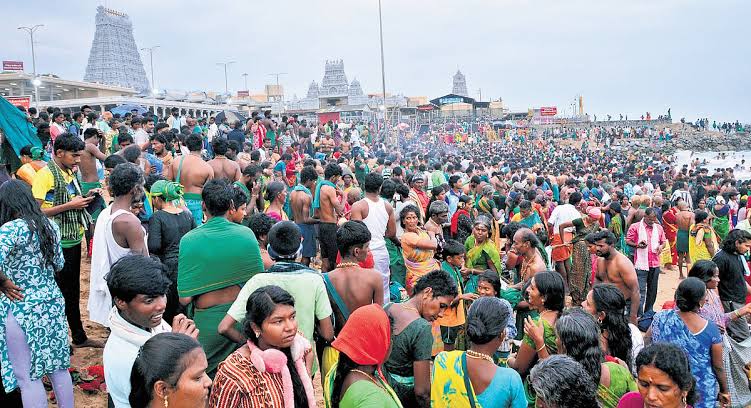
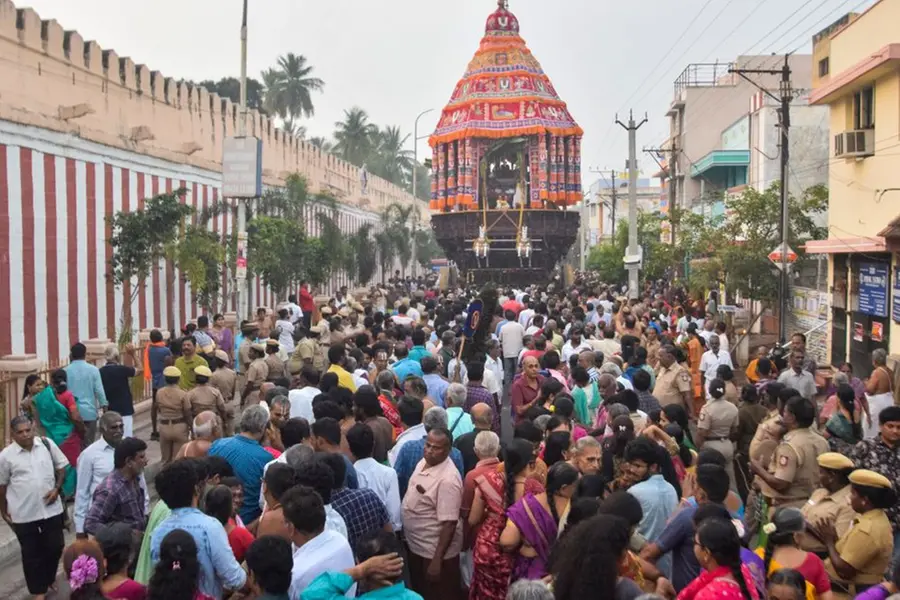
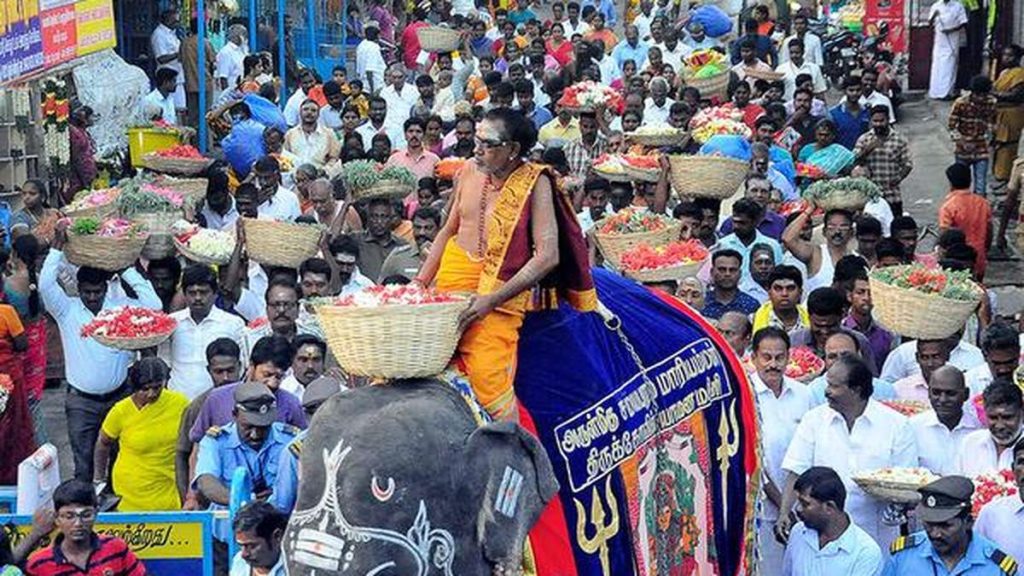
In Tiruchirappalli, the festival is particularly prominent at Samayapuram Mariamman Temple, Sri Ranganathaswamy Temple at Srirangam, and the Thayumanaswamy Temple at Rockfort. Each temple follows its own traditions, giving Chithirai a diverse religious and cultural character across the district. The Tiruchirappalli District administration specifically identifies the Chithirai Car Festival at Samayapuram as a famous festival of the district. 1. Chithirai Festival at Samayapuram Mariamman Temple The Samayapuram Mariamman Temple is one of the major pilgrimage centres of Tiruchirappalli. Its Chithirai festival is one of the most prominent celebrations in the district. Samayapuram Mariamman Temple The Ministry of Tourism’s Utsav portal describes the Samayapuram Chithirai Ther Thiruvizha as an annual festival held in the Tamil month of Chithirai. The festival traditionally extends over 13 days, with the major chariot procession taking place on the 10th day. Large numbers of devotees gather to participate in and witness the procession. The Tamil Nadu district administration also confirms that the Chithirai Car Festival at Samayapuram is held in April–May. 2. Flag Hoisting – Kodiyetram The Chithirai celebrations begin with important temple rituals, including Kodiyetram, or the ceremonial hoisting of the temple flag. The flag-hoisting ceremony announces the beginning of the festival and marks the start of a series of special religious events. Devotees gather at the temple to witness the ceremony and seek the blessings of the goddess. In the 2026 Samayapuram Chithirai festival, the grand festival began with flag hoisting on April 5, followed by several processions and the major chariot event. 3. Chithirai Ther – The Chariot Festival The Chithirai Ther is the most spectacular event of the Samayapuram festival. A beautifully decorated temple chariot carrying the festival form of Goddess Samayapuram Mariamman is taken through the designated streets around the temple. Devotees participate by helping to pull the enormous chariot. The procession represents the goddess coming out among her devotees and blessing the community. The event attracts very large crowds. The Ministry of Tourism notes that the chariot is pulled by devotees and that the festival draws lakhs of pilgrims. 4. Religious Processions and Vahanams Throughout the Chithirai festival, the deity is taken in procession on different vahanams, or ceremonial vehicles. Different days can feature different forms of procession, allowing devotees to receive darshan of the deity in various traditional decorations. The 2026 festival programme at Samayapuram included processions associated with wooden-horse, silver-horse, Kamadhenu and other vahanams, in addition to the major chariot procession. 5. Theppam – Float Festival Another important event associated with the Chithirai festival season is the Theppam, or float festival. The deity is placed on a decorated float and taken around the temple tank or water area as part of the ceremonial celebration. The combination of the Ther (chariot) and Theppam (float) makes the Chithirai festival especially attractive to devotees and visitors. 6. Devotional Offerings During the festival, devotees make various offerings to Goddess Mariamman as expressions of faith and gratitude. Depending on individual vows and temple traditions, devotees may participate in practices such as: These practices reflect the strong devotional relationship between the deity and the local community. 7. Chithirai Festival at Srirangam Chithirai is also important at the famous Sri Ranganathaswamy Temple at Srirangam, one of the most significant Vaishnavite pilgrimage centres in Tiruchirappalli. Sri Ranganathaswamy Temple The Ministry of Tourism identifies the Srirangam Chithirai Car Festival, also known as Srirangam Chithirai Ther, as an important annual event of the temple. The temple is situated on the island formed by the Kaveri and Kollidam rivers and is one of the major religious landmarks of Tiruchirappalli. During the festival, devotees gather for special worship and the ceremonial procession of the temple deity. 8. Chithirai Festival at Rockfort The historic Rockfort Thayumanaswamy Temple also has a Chithirai car festival. Thayumanaswamy Temple The Ministry of Tourism describes the Chithirai Car Festival at Rockfort Temple as an important annual celebration during which large numbers of visitors come to the Rockfort area. The temple is dedicated to Lord Shiva and is located partway up the Rockfort hill. The festival provides devotees with an opportunity to participate in special Shiva worship and witness the temple’s traditional procession. 9. Traditional Temple Decorations During Chithirai, temples and their surrounding streets are decorated with: The decorated chariots and temple vehicles are particularly attractive, creating a vibrant atmosphere throughout the festival. 10. Devotional Music Music is an important part of Chithirai celebrations. Temple processions are accompanied by traditional instruments and devotional songs. Devotees may participate in: The combination of music, decorated temple vehicles and large processions gives the festival a distinctive cultural character. 11. Community Participation Chithirai is not limited to temple priests and devotees. The festival involves the wider community. Local residents, volunteers, traders, temple workers and government departments all contribute to the smooth conduct of the celebrations. People help with: This makes the festival an important example of community participation and cooperation. 12. Annadanam and Charity Annadanam, or the free distribution of food, is an important charitable activity associated with major temple festivals. During Chithirai, devotees and charitable organizations may arrange food and refreshments for pilgrims. Such activities reflect the traditional Tamil values of hospitality, charity and service to others. 13. Cultural Importance Chithirai Festival plays an important role in preserving the cultural heritage of Tiruchirappalli. The festival brings together: Temple traditions + Religious worship + Folk culture + Music + Community participation + Traditional processions It also gives children and younger generations an opportunity to experience traditional Tamil temple customs. 14. Agricultural and Seasonal Connection Chithirai falls during the transition into the summer season in Tamil Nadu. Traditionally, temple festivals during this period provided an important opportunity for rural communities to come together. People from villages surrounding Tiruchirappalli often visit temples during festival days, meet relatives and friends and participate in community activities. 15. Tourism Importance Chithirai contributes significantly to religious and cultural tourism in Tiruchirappalli District. Visitors can experience several major temple traditions during the season, including: The Government of India’s tourism portal specifically promotes the Samayapuram and Srirangam Chithirai
Festivals

Maha Shivaratri

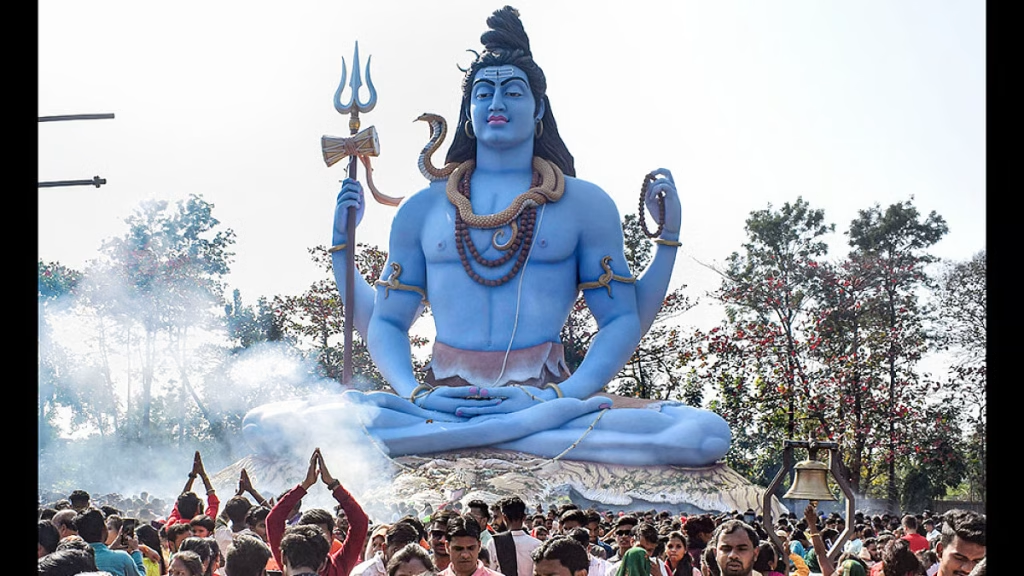
Maha Shivaratri, meaning the “Great Night of Lord Shiva,” is one of the most important festivals dedicated to Lord Shiva. It is celebrated with great devotion in Tiruchirappalli District, which has a rich heritage of ancient Shiva temples. The festival is particularly significant at temples such as Thayumanaswamy Temple at Rockfort, Jambukeswarar Temple at Thiruvanaikaval, Erumbeeswarar Temple at Thiruverumbur, Gneeliwaneswarar Temple at Tiruppaingneeli and other Shiva temples across the district. The Tiruchirappalli district administration identifies Rockfort’s Thayumanaswamy Temple as a Shiva temple situated within the historic Rockfort complex, while Jambukeswarar Temple is an important Shiva temple at Thiruvanaikaval. 1. Religious Significance Maha Shivaratri is observed on the Chaturdashi (14th lunar day) of the dark fortnight. Devotees traditionally spend the night in prayer, meditation and worship of Lord Shiva. The festival represents: Devotees consider the night especially auspicious for Shiva worship and meditation. 2. Maha Shivaratri in Tiruchirappalli Tiruchirappalli has a particularly strong connection with Shaivite traditions because of its historic Shiva temples. The Thayumanaswamy Temple at Rockfort is one of the prominent Shiva temples in the city. The official district tourism page describes the temple as being dedicated to Lord Shiva and located halfway up the Rockfort hill. The temple’s official HR&CE website identifies the shrine as Arulmigu Thayumanaswamy Temple and records its location in Tiruchirappalli District. During Maha Shivaratri, devotees visit Shiva temples throughout the district for special worship and prayers. 3. Thayumanaswamy Temple, Rockfort Thayumanaswamy Temple The Thayumanaswamy Temple is one of the important Shiva temples in Tiruchirappalli city. It is situated within the famous Rockfort complex. The district administration notes that the temple contains a 100-pillared hall and a vimana and is an important landmark of the city. Maha Shivaratri is among the festivals associated with the temple, and the occasion brings devotees for special prayers and Shiva worship. 4. Jambukeswarar Temple, Thiruvanaikaval Jambukeswarar Temple Another major Shiva pilgrimage centre in the district is Jambukeswarar Temple at Thiruvanaikaval. The temple is dedicated to Lord Shiva and is associated with the water element among the Pancha Bhoota Sthalas. The district administration states that the lingam is partially surrounded by water and represents the element of water. During Maha Shivaratri, devotees visit the temple to offer prayers and participate in special Shiva worship. 5. Special Abhishekam Abhishekam is one of the most important rituals performed during Maha Shivaratri. Devotees offer or witness the offering of substances such as: The Shiva Lingam is ceremonially bathed and decorated during the worship. Devotees believe these offerings express their reverence and devotion to Lord Shiva. 6. Bilva Leaves The Bilva leaf has a special place in Shiva worship. Devotees offer Bilva leaves to the Shiva Lingam during Maha Shivaratri. The offering is considered an important form of devotion, and many devotees spend time collecting or purchasing Bilva leaves specifically for the festival. 7. Fasting Many devotees observe a fast or vratam on Maha Shivaratri. Depending on individual tradition, devotees may consume fruits, milk or other permitted foods, while some observe a stricter fast. Fasting is regarded as a form of self-control and spiritual discipline. 8. Night-long Worship One of the defining features of Maha Shivaratri is night-long worship. Devotees may remain awake throughout the night, participating in: Traditional Shiva worship may be performed during the four praharas, or divisions of the night. For example, the 2026 Tiruchirappalli calendar listed four night worship periods from the evening of February 15 into the early morning of February 16. 9. Chanting of Shiva Mantras Devotees commonly chant sacred names and mantras associated with Lord Shiva. One of the best-known is: “Om Namah Shivaya.” Continuous chanting creates a deeply devotional atmosphere inside and around the temples. 10. Temple Decorations During Maha Shivaratri, Shiva temples are traditionally decorated with: The sanctum and temple premises take on a special festive appearance. 11. Special Pujas Special pujas are conducted throughout the festival period. Depending on temple tradition, worship may include several rounds of puja during the night. Devotees participate by offering flowers, fruits, coconuts and other traditional offerings and by receiving prasadam after the rituals. 12. Devotee Crowds Maha Shivaratri attracts large numbers of devotees to prominent Shiva temples in Tiruchirappalli. People travel from surrounding villages, towns and other parts of the region. The festival therefore creates a strong atmosphere of collective worship and community participation. 13. Spiritual Importance Maha Shivaratri encourages devotees to concentrate on spiritual life and spend the night in prayer rather than ordinary entertainment. For devotees, the festival is an opportunity to: 14. Cultural Importance Maha Shivaratri also contributes to the preservation of Tamil Shaivite traditions in Tiruchirappalli. The district has numerous historic temples and several important Shiva shrines. The Thayumanaswamy Temple, for example, is associated with the Tamil Shaivite devotional tradition and is recognized as a Paadal Petra Sthalam. The festival allows younger generations to experience traditional temple rituals, devotional music and religious customs. 15. Community Activities Along with temple worship, Maha Shivaratri may involve community-based religious activities such as: These activities encourage charity, cooperation and community service. 16. Importance for Temple Tourism Maha Shivaratri adds to Tiruchirappalli’s importance as a destination for religious and cultural tourism. Visitors can combine their pilgrimage with visits to the district’s historic temples and heritage sites. The Rockfort complex itself is one of Tiruchirappalli’s major landmarks, and the district administration highlights its accessibility from the city’s major transport facilities. 17. Economic Importance Major temple festivals also support local economic activity. During festival periods, devotees purchase: Small vendors, flower sellers, transport operators and other local businesses may benefit from the increased number of visitors. 18. Social and Cultural Unity Maha Shivaratri brings people together regardless of age and occupation. Families visit temples together, devotees participate in collective prayers and volunteers help organize temple activities. The festival therefore strengthens the values of: Devotion → Discipline → Community → Charity → Spirituality

Festivals

Poochoriyal Vizha

Poochoriyal Vizha is one of the important and beautiful religious festivals associated with Arulmigu Mariamman Temple, Samayapuram, near Tiruchirappalli in Tamil Nadu. The name “Poochoriyal” literally refers to the showering or offering of flowers. The festival is celebrated with great devotion by thousands of devotees who gather at the temple to worship Goddess Samayapuram Mariamman. The festival is particularly significant because flowers are offered to the goddess as a symbol of devotion, gratitude, purity and prayer. The event forms an important part of the religious and cultural traditions of Tiruchirappalli District. 1. Religious Significance Samayapuram Mariamman is widely worshipped as a powerful village and guardian deity, particularly by devotees seeking protection, health and prosperity. During Poochoriyal Vizha, devotees express their faith by bringing large quantities of flowers and offering them to the goddess. The flower offering represents: The colourful flowers and devotional atmosphere make the festival especially distinctive. 2. Flower Offering Ceremony The central feature of Poochoriyal Vizha is the special flower offering to Goddess Samayapuram Mariamman. Devotees bring flowers of different varieties and colours to the temple. These flowers are used for decorating the deity and the temple and are offered during the special worship ceremonies. The abundance of flowers creates a spectacular visual atmosphere, while devotional songs and temple rituals add to the spiritual significance of the occasion. 3. Samayapuram Mariamman Temple The festival is closely connected with Arulmigu Mariamman Temple, Samayapuram, one of the prominent temples in the Tiruchirappalli region. Samayapuram Mariamman Temple The temple attracts devotees throughout the year, but festival occasions such as Poochoriyal Vizha bring particularly large crowds. The temple becomes a major centre of religious activity, with special decorations, prayers, offerings and arrangements for devotees. 4. Special Pujas and Rituals During Poochoriyal Vizha, special religious ceremonies are performed for Goddess Mariamman. Temple priests conduct traditional rituals and offer prayers according to temple customs. Devotees participate in: These rituals provide devotees with an opportunity to seek the blessings of the goddess. 5. Devotee Participation Devotees from Tiruchirappalli and neighbouring districts participate in the festival. Some devotees travel considerable distances to visit the temple and make their offerings. Families often attend together, and the festival becomes an important occasion for people to come together in prayer. Devotees may make personal vows and offer flowers as a way of expressing thanksgiving after their prayers or wishes are fulfilled. 6. Colourful Decorations Flowers play a central role in the visual appearance of the festival. Different varieties of flowers are used to decorate the deity and temple surroundings. The combination of: creates a colourful and fragrant environment. The floral decorations also reflect the traditional Tamil practice of using flowers in temple worship. 7. Devotional Music and Atmosphere The temple area becomes lively during the festival with devotional songs, temple music and religious chanting. Devotees may sing hymns dedicated to Mariamman and other forms of the Divine Mother. The sound of bells, traditional instruments and devotional chanting contributes to the spiritual atmosphere. 8. Religious Beliefs Mariamman is traditionally associated with rain, fertility, health and protection in Tamil folk and Hindu religious traditions. As a result, devotees approach the goddess with prayers for the welfare of their families and communities. The flower offering during Poochoriyal Vizha is viewed as an act of humility and devotion. For many devotees, the festival is an opportunity to pray for: Health → Prosperity → Family Welfare → Protection → Peace 9. Cultural Importance Poochoriyal Vizha is not only a religious event but also an important part of the cultural heritage of Tiruchirappalli District. The festival preserves traditional practices associated with: It also gives younger generations an opportunity to experience and understand local religious customs. 10. Community Participation Large temple festivals require extensive cooperation between temple authorities, devotees, volunteers, local communities and government agencies. During the festival, arrangements are generally made to manage: Community participation helps ensure that devotees can participate in the festival safely and comfortably. 11. Local Economic Importance The festival also contributes to the local economy. The large number of visitors creates opportunities for local vendors and small businesses. During the festival period, people may purchase: Flower sellers and other small traders particularly benefit from the increased demand associated with the festival. 12. Tourism Importance Poochoriyal Vizha adds to Tiruchirappalli’s reputation as an important destination for temple tourism and cultural tourism. Visitors interested in Tamil religious traditions can experience: The festival therefore contributes to the preservation and promotion of Tiruchirappalli’s cultural identity. 13. Spiritual Message The most important message of Poochoriyal Vizha is devotion and gratitude. Offering flowers is a simple but meaningful expression of faith. Flowers are traditionally associated with purity, beauty and auspiciousness. Offering them to the goddess represents the devotee’s willingness to surrender their prayers and gratitude before the divine. 14. Importance to Tiruchirappalli District Poochoriyal Vizha has a special place among the religious celebrations connected with the Samayapuram temple. Along with other major temple festivals, it contributes to the rich festival calendar of Tiruchirappalli. The celebration brings together devotees, families, temple communities, traders and visitors, creating a strong sense of religious and cultural unity.

Festivals

Thai Poosam

Thai Poosam, also known as Thaipoosam, is one of the important Hindu festivals dedicated to Lord Murugan, the Tamil deity associated with courage, wisdom, victory and devotion. The festival is observed during the Tamil month of Thai (January–February) on the day when the Poosam (Pushya/Pusam) star coincides with the full-moon period. It is celebrated with particular enthusiasm in Tamil Nadu, including Tiruchirappalli District. In Tiruchirappalli, Thai Poosam is observed at various Murugan temples and other Hindu temples, where devotees participate in special prayers, abhishekam, processions, devotional singing and offerings. The festival combines religious devotion with Tamil cultural traditions and attracts devotees from surrounding villages and towns. 1. Religious Significance According to Hindu tradition, Thai Poosam commemorates the occasion when Goddess Parvati gave Lord Murugan the divine Vel (spear) to help him defeat evil forces. The Vel is therefore an important symbol of divine power, protection, courage and victory over evil. Devotees observe Thai Poosam to seek: Many devotees undertake fasting and other forms of religious observance before visiting the temple. 2. Thai Poosam Celebrations in Tiruchirappalli Tiruchirappalli has a rich temple heritage, and Murugan worship forms an important part of the district’s religious culture. During Thai Poosam, temples associated with Lord Murugan receive increased numbers of devotees. The celebrations generally include: The temple premises are decorated with flowers, lamps and traditional decorations, creating a festive spiritual atmosphere. 3. Kavadi One of the most recognizable traditions associated with Thai Poosam is the Kavadi. Devotees carry decorated structures called kavadi as an offering to Lord Murugan. Different types of kavadi may be carried depending on local traditions and individual vows. Devotees often decorate them with: Carrying kavadi represents devotion, discipline and the fulfilment of a religious vow. 4. Milk Abhishekam Milk abhishekam is another important practice during Thai Poosam. Devotees carry milk in pots or containers and offer it to Lord Murugan during the temple rituals. The milk is poured over the deity as part of the abhishekam ceremony. Devotees consider the offering an expression of purity, gratitude and devotion. 5. Fasting and Vows Many devotees prepare themselves spiritually for Thai Poosam by observing fasting, prayer and personal discipline for a period before the festival. Some devotees make specific vows and fulfil them during the festival by: These practices demonstrate the devotee’s faith and commitment to Lord Murugan. 6. Temple Processions Temple processions are an important feature of festival celebrations. The decorated idol or utsava murti of Lord Murugan may be taken around the temple streets accompanied by devotees. The procession may include: The streets around the temple become lively with religious activities and cultural performances. 7. Annadanam Annadanam, or the distribution of free food, is commonly associated with major temple festivals. During Thai Poosam, charitable groups, temple organizations and devotees may arrange food distribution for pilgrims and visitors. Annadanam reflects the traditional value of sharing food and serving the community. 8. Devotional Music and Cultural Activities Music plays an important role in Thai Poosam celebrations. Devotees sing Murugan devotional songs and bhajans, while traditional instruments may accompany temple processions. In some places, cultural programmes may also be organized, providing an opportunity to preserve Tamil devotional traditions and introduce younger generations to the cultural heritage associated with Lord Murugan. 9. Participation of Families Thai Poosam is also a family-oriented religious occasion. Families visit temples together, perform special prayers and make offerings. Parents often introduce children to traditional practices such as: This helps preserve religious and cultural traditions across generations. 10. Economic and Social Importance Major temple festivals such as Thai Poosam can also benefit local communities. During the festival period, temporary stalls and small businesses may serve pilgrims and visitors. Local vendors may sell: The increased movement of visitors also supports local transportation, food services and other small businesses. 11. Spiritual Importance For devotees, Thai Poosam is not simply a temple festival. It is a period for self-discipline, prayer and spiritual reflection. The festival encourages devotees to develop qualities such as: Faith → Discipline → Devotion → Courage → Compassion → Spiritual Strength The Vel of Lord Murugan is viewed as a symbol of destroying ignorance and overcoming obstacles. 12. Importance to Tiruchirappalli’s Cultural Heritage Tiruchirappalli is widely known for its historic temples and diverse religious traditions. Thai Poosam contributes to this heritage by bringing together religion, Tamil traditions, music, temple architecture, community participation and devotional practices. The festival is particularly significant for communities that maintain strong traditions of Murugan worship. It also provides an opportunity for younger generations to understand the religious and cultural practices that have been passed down through generations.

Festivals

Pongal

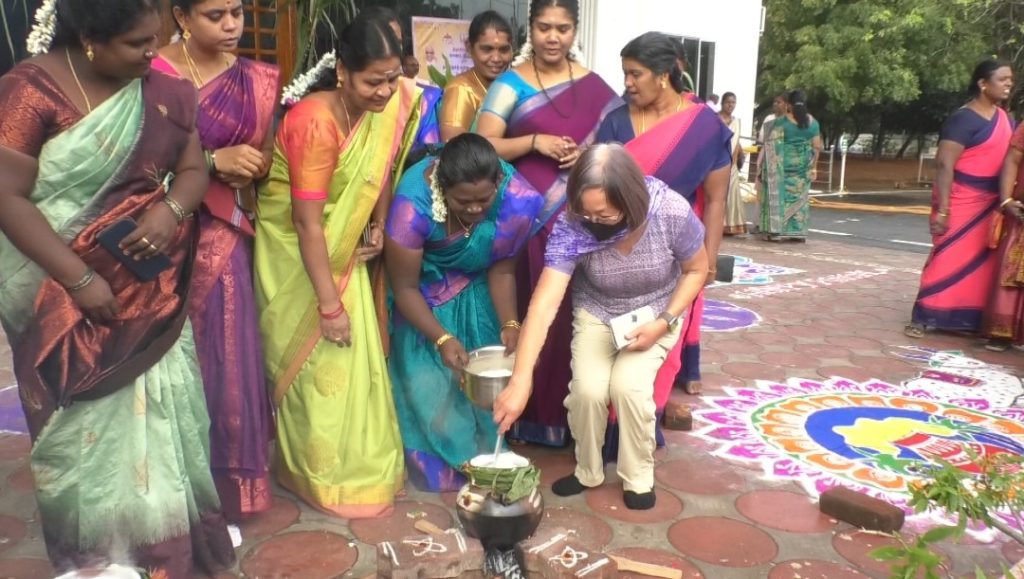
Pongal is one of the most important traditional festivals celebrated throughout Tiruchirappalli District (Trichy). It is primarily a harvest festival and has a special connection with the agricultural communities living along the Kaveri and Kollidam river regions. The festival expresses gratitude to the Sun, Mother Nature, farmers and cattle for their contribution to a successful harvest. Pongal is generally celebrated in January, at the beginning of the Tamil month of Thai. In Tiruchirappalli, Pongal combines agricultural traditions, village customs, temple worship, folk arts, family gatherings, traditional games and community celebrations. The district is also associated with Jallikattu, which is conducted in villages around Tiruchirappalli during the Pongal season. The Tiruchirappalli City Municipal Corporation specifically identifies places such as Suriyur, Manama and surrounding villages in connection with Jallikattu celebrations. 1. Bhogi Pongal The Pongal celebrations traditionally begin with Bhogi. It represents leaving behind the old and welcoming the new. People clean their houses, remove unwanted old articles and decorate their homes. Houses and entrances are often decorated with kolam, mango leaves and other traditional decorations. In rural areas of Tiruchirappalli, Bhogi has a particularly festive atmosphere because families prepare their houses and agricultural surroundings for the main Pongal celebrations. The day symbolizes renewal, prosperity and a fresh beginning. 2. Thai Pongal / Surya Pongal The second day is the main Thai Pongal celebration. It is dedicated primarily to the Sun, whose energy is essential for agriculture and the growth of crops. Families traditionally prepare sweet Pongal using newly harvested rice, milk and jaggery. The Pongal pot is allowed to boil and overflow, symbolizing abundance, prosperity and happiness. Sugarcane, turmeric, flowers and other agricultural products are commonly associated with the celebration. In agricultural villages of Tiruchirappalli District, this celebration has a strong connection with the year’s harvest. Farmers express their gratitude for the crops and pray for good rainfall, healthy crops and prosperity in the coming agricultural season. 3. Mattu Pongal Mattu Pongal, the third day, is dedicated to cattle, particularly cows and bulls that play an important role in traditional farming. Cattle are carefully washed and decorated with colourful ornaments, flowers and garlands. Their horns may be painted and decorated, and special food is offered to them. The celebration recognizes the contribution of cattle to agriculture, transportation and rural livelihoods. This day is particularly significant in the rural areas of Tiruchirappalli District, where traditional agricultural practices and cattle-rearing remain an important part of village life. 4. Jallikattu and Traditional Village Sports One of the most distinctive features of the Pongal season in parts of Tiruchirappalli District is Jallikattu, a traditional bull-taming sport. Tamil Nadu Tourism identifies Tiruchirappalli among the districts where Jallikattu is associated with Pongal celebrations. The Tiruchirappalli City Municipal Corporation notes that Suriyur, Manama and several surrounding villages conduct bull-catching events during the Pongal period. Jallikattu attracts spectators from nearby villages and provides an important cultural occasion involving traditional music, village gatherings, decorated bulls and community participation. It is closely associated with the rural heritage of the region. Pongal celebrations may also include traditional activities and cultural performances such as silambattam, folk dances, music and traditional games. 5. Kaanum Pongal The final day is commonly known as Kaanum Pongal. It is associated with visiting relatives and friends, spending time with family and enjoying community activities. People may visit temples, tourist attractions, riverbanks and other public places. In Tiruchirappalli, families can use the occasion to visit important cultural and religious places such as Srirangam, Rockfort and other local temples and heritage locations. The day strengthens family relationships and community bonds. 6. Pongal Celebrations in Villages Pongal has a particularly strong presence in the villages of Tiruchirappalli District. Agricultural families decorate their homes, prepare traditional food, decorate cattle and participate in community activities. The festival provides an opportunity for villagers to come together irrespective of age and occupation. Farmers, agricultural workers, children and elders all participate in different aspects of the celebrations. The district’s connection with agriculture makes Pongal more than a religious or cultural festival—it is also a celebration of the farmer’s contribution to society and the importance of agriculture to the local economy. 7. Traditional Food Food is an important part of Pongal celebrations. The main dish is Pongal, prepared using newly harvested rice. Sweet Pongal commonly contains rice, milk, jaggery, ghee and spices, while ven pongal is another popular preparation. Other foods associated with the festival include: Families often prepare food together and share it with relatives, neighbours and friends. 8. Kolam and Decorations During Pongal, entrances of homes throughout Tiruchirappalli are decorated with colourful kolams. Women and girls often create elaborate geometric and floral designs using rice flour and coloured powders. Traditional decorations may include: These decorations create a colourful festive atmosphere throughout towns and villages. 9. Temple Celebrations Temples across Tiruchirappalli District also become important centres of Pongal-season activities. Special prayers, offerings and cultural programmes may be conducted during the festival period. The district’s large number of historic temples gives Pongal an additional religious and cultural dimension. Devotees visit temples with families and offer Pongal as part of their thanksgiving. 10. Farmers and Agricultural Importance Pongal has a particularly deep meaning for farmers. Tiruchirappalli lies in the broader Kaveri agricultural region, and farming has historically depended on water from the Kaveri river system and associated irrigation infrastructure. The festival therefore provides an occasion for farmers to celebrate the completion of the harvest and express gratitude to nature, the Sun, water, land, cattle and agricultural workers. Pongal also reminds younger generations about the importance of agriculture and the traditional relationship between rural communities and the environment. 11. Cultural and Tourism Importance Pongal has become an important cultural attraction in Tiruchirappalli. The Government of India’s Utsav tourism portal documented a Pongal celebration at the Collectorate Complex, Tiruchirappalli, involving local residents and foreign visitors, traditional Pongal cooking, games and cultural exchange. The festival therefore provides visitors with an opportunity to experience Tamil cuisine, traditional clothing, folk culture, agricultural traditions, village sports and community celebrations. 12. Community Unity One

listings
News
Home
jobs
Contact