Tiruchirappalli

Temples

Temples

Murugan Temple

Arulmigu Subramaniyaswamy Temple, Vayalur, is a renowned Lord Murugan temple located near Tiruchirappalli in Tamil Nadu. Surrounded by lush agricultural fields and a peaceful rural landscape, the temple is considered an important Murugan pilgrimage centre in the region. Lord Murugan is worshipped here as Vayalur Murugan, and devotees visit the temple seeking blessings for prosperity, health, and spiritual well-being. The temple is also closely associated with the famous Tamil poet and saint Arunagirinathar, who composed several devotional hymns in praise of Lord Murugan at Vayalur. The temple attracts devotees throughout the year, with special celebrations held during Thaipusam, Panguni Uthiram, and Skanda Sashti.

Temples

Sri Gneeliwaneshwarar Temple, Padal Petra Temple

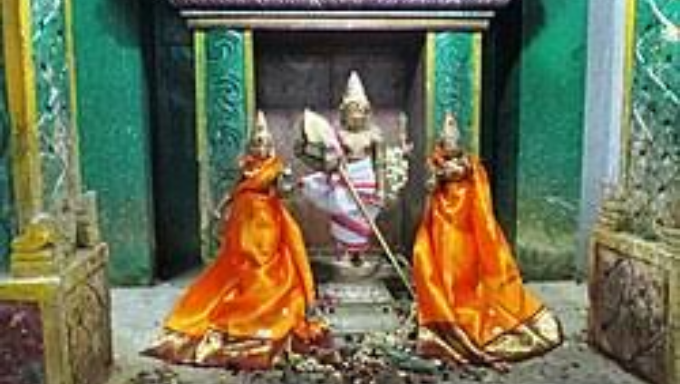
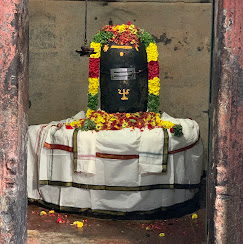
Sri Gneeliwaneshwarar Temple is an ancient Lord Shiva temple associated with the rich Shaivite heritage of the Tiruchirappalli region. It is traditionally identified with Thiruneelakudi/Thiruneelakudi Gneeliwaneshwarar Temple and is regarded as a Paadal Petra Sthalam, meaning that the temple is celebrated in the devotional hymns of the Tamil Shaivite Nayanmars. The temple is an important destination for devotees interested in the history, spirituality, and architecture of Tamil Nadu’s ancient Shiva temples. Presiding Deity The principal deity is Lord Gneeliwaneshwarar, worshipped in the form of a Shiva Lingam. The name of the deity is associated with the sacred traditions of the temple and its historical identity. The Goddess of the temple is worshipped as Neelakujambikai. Together, the presiding deities represent the traditional Shaivite form of worship in which Lord Shiva and Goddess Parvati are revered as the divine couple. Paadal Petra Sthalam Significance One of the most important features of the temple is its association with the Paadal Petra Sthalams. These are sacred Shiva temples praised in the Tevaram hymns composed by the revered Nayanmar saints, particularly Appar, Sambandar, and Sundarar. Being associated with this tradition gives the temple a special place in Tamil Shaivite religious history. The Tevaram tradition has played a major role in preserving the devotional culture and literary heritage of Tamil Nadu. Historical Importance The temple belongs to the long-standing tradition of Shiva worship in the Cauvery region. The surrounding area has historically been an important centre of agriculture, settlement, religion, and temple culture. Over the centuries, temples of this tradition were supported and developed by different rulers and local communities. Their inscriptions, sculptures, architectural features, and religious practices provide valuable evidence of the historical development of Tamil society and temple culture. Religious Legends The temple is connected with traditional Sthala Puranam, or sacred legends associated with the temple. Such legends explain the origin of the shrine, the manifestation of the deity, and the spiritual importance of the sacred site. Devotees visit the temple with faith that worshipping Lord Gneeliwaneshwarar and Goddess Neelakujambikai can bring peace, protection, good health, and spiritual blessings. Temple Architecture The temple follows the traditional Dravidian style of South Indian temple architecture. The complex contains the principal shrine, subsidiary shrines, mandapams, prakaram areas, and other architectural elements characteristic of historic Tamil temples. Stone sculptures and traditional religious iconography add to the artistic value of the temple. The architectural arrangement reflects the relationship between religious rituals and temple design that developed over many centuries in Tamil Nadu. Worship and Rituals Regular poojas, abhishekam, alankaram, and other traditional rituals are performed for the presiding deities. Devotees offer flowers, lamps, fruits, and other offerings as part of their worship. Special prayers are conducted on important days associated with Lord Shiva. Pradosham and Maha Shivaratri are particularly significant occasions for Shaivite devotees, while other festivals and Tamil calendar observances are also celebrated according to the temple’s traditions. Cultural Importance Sri Gneeliwaneshwarar Temple represents more than a place of worship. Its association with the Tevaram tradition and Paadal Petra Sthalams connects it with Tamil devotional literature, music, religious philosophy, and cultural history. The temple helps preserve traditional forms of worship and provides an important link between contemporary devotees and the ancient Shaivite heritage of Tamil Nadu. Importance to Tiruchirappalli Region The Tiruchirappalli and Cauvery-region landscape is famous for its historic temples and religious centres. These temples collectively demonstrate the region’s deep connection with Shaivism, Vaishnavism, Tamil literature, architecture, and traditional arts. Sri Gneeliwaneshwarar Temple contributes to this heritage by representing the ancient Tevaram-based Shaivite tradition and attracting devotees interested in Paadal Petra Sthalams. Tourism and Pilgrimage For pilgrims and heritage enthusiasts, the temple offers an opportunity to explore Tamil Nadu’s traditional temple culture. Visitors can experience the peaceful atmosphere, observe religious rituals, appreciate the architecture, and learn about the temple’s connection with Tamil Shaivite literature. Those planning a visit should check the temple’s current opening hours and festival schedules and follow the local customs and dress practices.


Temples

Lakshmi Narayana Perumal Temple

Lakshmi Narayana Perumal Temple is a Hindu temple dedicated to Lord Vishnu, worshipped together with Goddess Lakshmi. The temple forms part of the rich Vaishnavite religious heritage of Tiruchirappalli District, Tamil Nadu. It is visited by devotees seeking the blessings of Lord Narayana and Goddess Lakshmi for prosperity, peace, family welfare, and spiritual well-being. Presiding Deities The principal deity is Lord Lakshmi Narayana, a divine form in which Lord Vishnu (Narayana) is worshipped together with Goddess Lakshmi, the goddess of wealth and prosperity. Devotees traditionally offer prayers to the divine couple for financial stability, prosperity, good health, family happiness, and protection. The temple provides a peaceful environment for devotional worship and meditation. Religious Significance Lord Vishnu occupies an important position in Hindu tradition as the preserver and protector of the universe. Goddess Lakshmi is traditionally associated with wealth, prosperity, fortune, and auspiciousness. The worship of Lakshmi Narayana therefore carries special significance for devotees who pray for both material prosperity and spiritual well-being. Special prayers and offerings are performed on auspicious days associated with Vishnu and Lakshmi. Temple Worship Regular temple worship generally includes poojas, abhishekam, alankaram, and devotional offerings according to established Vaishnavite traditions. Devotees may participate in prayers and offer flowers, fruits, lamps, and other traditional offerings. Special worship is conducted during important occasions in the Tamil and Hindu calendars. These ceremonies provide devotees with opportunities to participate in the temple’s religious traditions. Festivals and Celebrations Important Hindu and Vaishnavite festivals are observed with special prayers and religious activities. Depending on the temple’s local traditions, celebrations may include occasions associated with Lord Vishnu, Goddess Lakshmi, Vaikunta Ekadasi, and other auspicious days. During festivals, the temple may be decorated with flowers and traditional ornaments, while special poojas and devotional programs are conducted for devotees. Architecture The temple reflects the traditional religious architecture associated with temples in Tamil Nadu. Elements such as the sanctum, shrines, mandapam, entrance structures, and religious sculptures contribute to its traditional character. The architecture of Vishnu temples commonly incorporates symbolic representations connected with Vaishnavite beliefs. Traditional decorative elements and images of Vishnu and his associated deities enhance the devotional atmosphere of the temple. Cultural Importance Lakshmi Narayana Perumal Temple is not only a place of worship but also contributes to the preservation of Tamil religious traditions and local cultural practices. Temples play an important role in bringing communities together during festivals, religious ceremonies, and special occasions. The temple provides an environment where traditional devotional practices can be passed from one generation to another. Importance to Tiruchirappalli Tiruchirappalli District is one of Tamil Nadu’s important centres of religious and cultural heritage. The district contains numerous Shiva and Vishnu temples, reflecting the long history of Shaivism and Vaishnavism in the Cauvery region. Lakshmi Narayana Perumal Temple adds to this diverse religious landscape and provides devotees with a place dedicated to the worship of Lord Narayana and Goddess Lakshmi. Visitor Experience Visitors can experience the peaceful atmosphere of the temple, observe traditional worship practices, and learn about the local religious heritage. Devotees are generally expected to maintain appropriate dress and follow temple customs while visiting. For tourists interested in the cultural heritage of Tiruchirappalli District, the temple can be included as part of a broader exploration of the region’s historic temples, religious traditions, and local culture.

Temples

Sri Nallandavar Temple

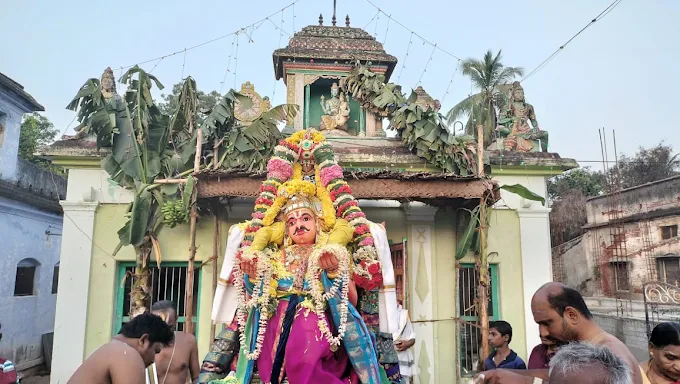
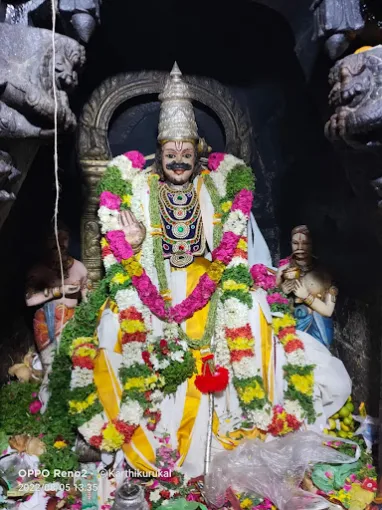
Sri Nallandavar Temple is a traditional Hindu temple associated with the religious and cultural heritage of Tiruchirappalli District, Tamil Nadu. The temple is regarded as an important local place of worship, where devotees gather to offer prayers and participate in traditional religious observances. Like many village and regional temples in Tamil Nadu, it forms an important part of the spiritual life and cultural identity of the surrounding community. Religious Significance The name Nallandavar is traditionally associated with a revered local deity worshipped by the community. Devotees visit the temple seeking health, prosperity, protection, family well-being, and success. Regular prayers and special offerings are performed according to local customs and traditions. The temple’s importance is closely connected with the faith and traditions passed down through generations. Local devotees often consider the temple a sacred place for fulfilling vows and expressing gratitude after prayers are answered. Temple Traditions Traditional worship at the temple generally includes daily poojas, special prayers, offerings, and festival observances. During important occasions, devotees from surrounding villages and localities may gather at the temple to participate in religious ceremonies. Special celebrations can include devotional activities, processions, offerings, and community gatherings. These occasions provide an opportunity for families and local residents to come together and preserve their traditional customs. Architecture and Environment Sri Nallandavar Temple reflects the characteristics of a traditional Tamil Nadu temple, with a simple yet culturally significant setting. The temple environment provides a peaceful atmosphere for prayer and devotion. The architectural features and religious symbols associated with the temple reflect the local traditions of temple construction and worship. Its surroundings also contribute to the cultural landscape of the locality. Cultural Importance The temple has significance beyond religious worship. It serves as a place where local customs, traditions, festivals, devotional practices, and community relationships are maintained. Such temples play an important role in preserving the cultural heritage of villages and towns across Tiruchirappalli District. Temple festivals can also bring together people of different generations, allowing younger members of the community to learn about traditional practices from elders. Festivals and Special Occasions Special religious observances are conducted during important days in the Tamil calendar. Depending on local traditions, festival periods may feature special poojas, alankaram, offerings, devotional programs, and community gatherings. Festival celebrations are often an important part of the local social and cultural calendar and may attract devotees from nearby areas. Importance to Tiruchirappalli District Tiruchirappalli District is well known for its rich collection of historic temples and religious centres. Alongside major landmarks such as Sri Ranganathaswamy Temple at Srirangam and Rockfort Temple, local temples such as Sri Nallandavar Temple contribute to the district’s diverse religious heritage. These temples help preserve the traditional connection between Tamil society, spirituality, local history, and community life.

Temples

Sri Ranganatha Swamy Temple

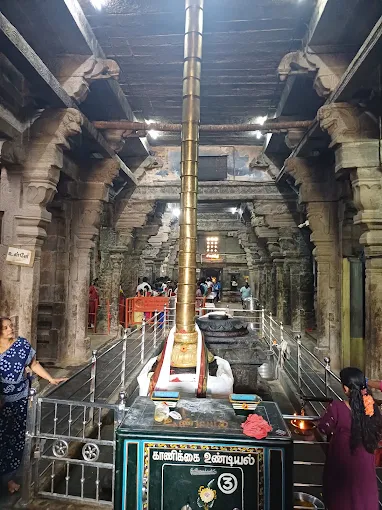
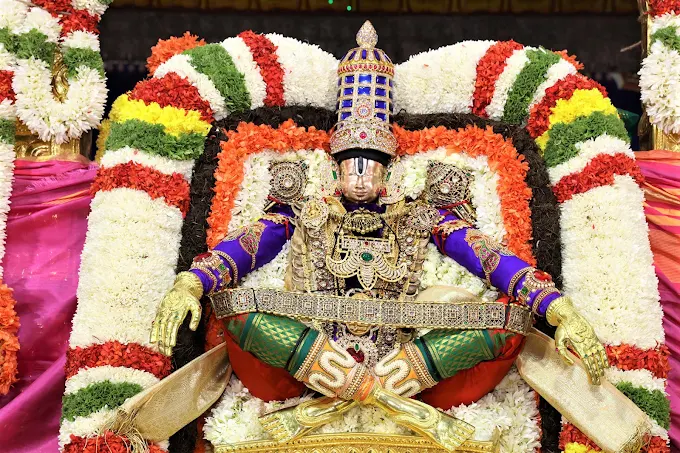
Sri Ranganatha Swamy Temple, located in Srirangam, Tiruchirappalli District, Tamil Nadu, is one of the most important and magnificent Vaishnavite temples in India. Dedicated to Lord Ranganatha, a reclining form of Lord Vishnu, the temple is situated on the island of Srirangam between the Cauvery River and the Kollidam River. It is one of the most prominent pilgrimage centres in the Sri Vaishnavism tradition. Historical Importance The temple has a long and distinguished history associated with the religious and cultural development of the Cauvery region. Different dynasties, including the Cholas, Pandyas, Hoysalas and Vijayanagara rulers, contributed to the development and expansion of the temple complex over different periods. The temple has played an important role in the development of Sri Vaishnavism. It is closely associated with the great Vaishnavite philosopher and theologian Sri Ramanujacharya, whose teachings had a major influence on the religious traditions of South India. Presiding Deity The principal deity is Sri Ranganatha, Lord Vishnu reclining on the serpent Adisesha. The deity is worshipped as the supreme protector and is revered by millions of devotees. The divine consort of Lord Ranganatha is Sri Ranganayaki Thayar. Separate shrines and various sacred spaces within the temple complex are dedicated to her and other important deities. Temple Architecture One of the most remarkable features of the temple is its enormous architectural scale. The complex consists of multiple concentric enclosures (prakarams) containing shrines, mandapams, streets, gateways, and other structures. The famous Rajagopuram is one of the most recognizable landmarks of Srirangam. The temple complex is renowned for its elaborate gopurams, stone pillars, sculptures, corridors, and traditional Dravidian architectural elements. The temple’s architecture demonstrates the exceptional craftsmanship and religious artistic traditions that developed in Tamil Nadu over centuries. Religious Significance Sri Ranganathaswamy Temple is particularly important to followers of Sri Vaishnavism. It is traditionally regarded as one of the 108 Divya Desams, the sacred temples dedicated to Lord Vishnu that are celebrated in the Tamil devotional hymns of the Alvars. The temple is also considered one of the most important Vishnu temples in South India. Devotees visit throughout the year to offer prayers, participate in rituals, and seek the blessings of Lord Ranganatha and Ranganayaki Thayar. Festivals The temple hosts numerous religious festivals throughout the year. One of the most famous celebrations is Vaikunta Ekadasi, which attracts large numbers of devotees. During this festival, the Paramapada Vasal or “Gateway to Heaven” is ceremonially opened. Other important celebrations include Panguni Uthiram, Brahmotsavam, and various processions and special rituals conducted according to the temple’s traditional calendar. Cultural Importance Beyond its religious significance, the temple is an important centre of Tamil culture, devotional literature, music, architecture, and traditional rituals. The temple’s festivals and ceremonies continue to connect the present generation with centuries-old cultural practices. Srirangam itself has developed around the temple, making the temple and the surrounding settlement closely connected. The streets and traditional layout around the temple are an important part of the area’s historical character. Tourism and Heritage Sri Ranganathaswamy Temple is one of the major attractions of Tiruchirappalli District and an important destination for pilgrims and heritage tourists. Visitors can experience the impressive temple architecture, religious traditions, sculptures, and historical atmosphere of Srirangam. The temple can also be combined with visits to other nearby attractions in Tiruchirappalli, making it an important part of the district’s religious and cultural tourism circuit.

Temples

Arulmigu Sri Saptharishishwarar Temple

Arulmigu Sri Saptharishishwarar Temple is a historic Hindu temple dedicated to Lord Shiva, located in Lalgudi, Tiruchirappalli District, Tamil Nadu. The temple is an important place of worship for devotees in Lalgudi and the surrounding villages and is associated with the traditional Shaivite heritage of the region. History and Religious Significance The presiding deity of the temple is Lord Saptharishishwarar, a form of Lord Shiva. The name is traditionally associated with the Sapta Rishis (seven sages), who are believed to have worshipped Lord Shiva at this sacred place. The temple therefore holds considerable spiritual significance for devotees who follow the Shaivite tradition. The temple represents the long-standing religious and cultural traditions of the Cauvery region. Lalgudi and its surrounding areas have historically been connected with numerous ancient temples, agricultural settlements, and Shaivite places of worship. Presiding Deities The principal deity is Sri Saptharishishwarar, worshipped in the form of a Shiva Lingam. Devotees visit the shrine to offer prayers, perform abhishekam, and seek the blessings of Lord Shiva for prosperity, peace, and well-being. The temple also has shrines dedicated to other Hindu deities and traditionally provides devotees with an opportunity to worship different forms of the divine within the temple complex. Temple Architecture The temple follows the traditional architectural style associated with Tamil Hindu temples. Its structural elements, shrines, mandapams, and sculptural details reflect the religious and artistic traditions of Tamil Nadu. The temple’s architectural features provide an interesting glimpse into the temple-building traditions of the region. The gopuram, inner shrines, stone structures, and religious sculptures contribute to its traditional appearance and devotional atmosphere. Festivals and Worship Important Hindu festivals and special occasions are observed at the temple with traditional rituals and prayers. Pradosham, Maha Shivaratri, Tamil monthly observances, and other auspicious days associated with Lord Shiva attract devotees. During major festivals, special abhishekam, alankaram, poojas, and devotional activities are conducted. The temple becomes particularly vibrant as local residents and devotees gather to participate in the celebrations. Cultural Importance The temple is not only a religious centre but also forms part of the cultural heritage of Lalgudi. Temples such as Saptharishishwarar Temple have traditionally served as places where religious practices, festivals, community gatherings, and Tamil cultural traditions are preserved. For visitors interested in the heritage of Tiruchirappalli District, the temple provides an opportunity to experience the region’s connection with Shaivism, traditional temple architecture, and local religious customs. Location and Tourism Located in Lalgudi, the temple can be included in a local heritage and pilgrimage tour around Tiruchirappalli District. Lalgudi is situated in the fertile Cauvery River region, which is known for its agriculture, historic temples, and cultural traditions. Visitors should observe the temple’s dress code and local customs and check the temple’s current opening hours and festival schedules before planning a visit.

listings
News
Home
jobs
Contact