Sri Ranganatha Swamy Temple
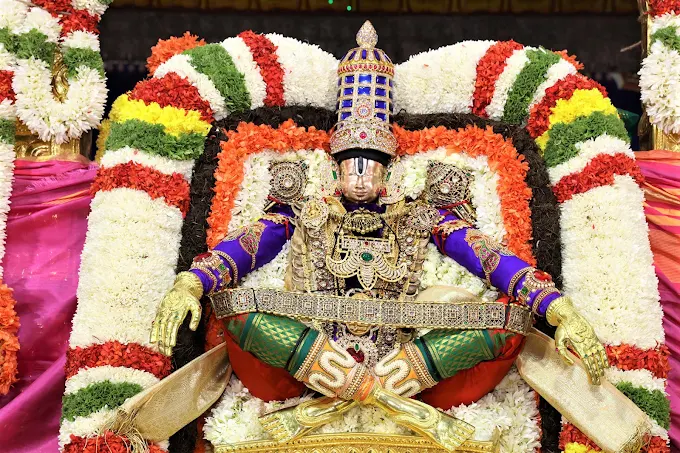
Sri Ranganatha Swamy Temple, located in Srirangam, Tiruchirappalli District, Tamil Nadu, is one of the most important and magnificent Vaishnavite temples in India. Dedicated to Lord Ranganatha, a reclining form of Lord Vishnu, the temple is situated on the island of Srirangam between the Cauvery River and the Kollidam River. It is one of the most prominent pilgrimage centres in the Sri Vaishnavism tradition. Historical Importance The temple has a long and distinguished history associated with the religious and cultural development of the Cauvery region. Different dynasties, including the Cholas, Pandyas, Hoysalas and Vijayanagara rulers, contributed to the development and expansion of the temple complex over different periods. The temple has played an important role in the development of Sri Vaishnavism. It is closely associated with the great Vaishnavite philosopher and theologian Sri Ramanujacharya, whose teachings had a major influence on the religious traditions of South India. Presiding Deity The principal deity is Sri Ranganatha, Lord Vishnu reclining on the serpent Adisesha. The deity is worshipped as the supreme protector and is revered by millions of devotees. The divine consort of Lord Ranganatha is Sri Ranganayaki Thayar. Separate shrines and various sacred spaces within the temple complex are dedicated to her and other important deities. Temple Architecture One of the most remarkable features of the temple is its enormous architectural scale. The complex consists of multiple concentric enclosures (prakarams) containing shrines, mandapams, streets, gateways, and other structures. The famous Rajagopuram is one of the most recognizable landmarks of Srirangam. The temple complex is renowned for its elaborate gopurams, stone pillars, sculptures, corridors, and traditional Dravidian architectural elements. The temple’s architecture demonstrates the exceptional craftsmanship and religious artistic traditions that developed in Tamil Nadu over centuries. Religious Significance Sri Ranganathaswamy Temple is particularly important to followers of Sri Vaishnavism. It is traditionally regarded as one of the 108 Divya Desams, the sacred temples dedicated to Lord Vishnu that are celebrated in the Tamil devotional hymns of the Alvars. The temple is also considered one of the most important Vishnu temples in South India. Devotees visit throughout the year to offer prayers, participate in rituals, and seek the blessings of Lord Ranganatha and Ranganayaki Thayar. Festivals The temple hosts numerous religious festivals throughout the year. One of the most famous celebrations is Vaikunta Ekadasi, which attracts large numbers of devotees. During this festival, the Paramapada Vasal or “Gateway to Heaven” is ceremonially opened. Other important celebrations include Panguni Uthiram, Brahmotsavam, and various processions and special rituals conducted according to the temple’s traditional calendar. Cultural Importance Beyond its religious significance, the temple is an important centre of Tamil culture, devotional literature, music, architecture, and traditional rituals. The temple’s festivals and ceremonies continue to connect the present generation with centuries-old cultural practices. Srirangam itself has developed around the temple, making the temple and the surrounding settlement closely connected. The streets and traditional layout around the temple are an important part of the area’s historical character. Tourism and Heritage Sri Ranganathaswamy Temple is one of the major attractions of Tiruchirappalli District and an important destination for pilgrims and heritage tourists. Visitors can experience the impressive temple architecture, religious traditions, sculptures, and historical atmosphere of Srirangam. The temple can also be combined with visits to other nearby attractions in Tiruchirappalli, making it an important part of the district’s religious and cultural tourism circuit.